Here's the uncomfortable truth facing short-term rental operators right now: almost every property management platform claims to have AI. Dashboards tout "AI-powered messaging." Feature lists include "smart automations." Marketing emails promise that AI will transform your operations.
And yet — operators are still drowning in guest messages at 11 PM, manually chasing reviews, and patching together workflows across five different tools.
The problem isn't AI. The problem is what kind of AI you're getting.
This post breaks down the critical difference between AI features bolted onto legacy property management software and true AI infrastructure built for short-term rental operations from the ground up. We'll show you what that distinction means in practice — and why it matters for your bottom line.
The AI Arms Race in Property Management
The property management industry is in the middle of a rapid AI adoption wave. Across the board, PMS platforms are integrating AI capabilities into their existing products — adding message suggestion tools, automating templated responses, layering on chatbot widgets, and building dashboards that surface AI-generated insights. These are genuine improvements over fully manual operations, and they represent a real step forward for the industry.
But there's a structural limitation baked into this approach: these platforms were built for a pre-AI world. AI features are being added on top of systems designed around manual workflows, human-in-the-loop processes, and fragmented data architectures. The result is AI that assists humans rather than AI that operates autonomously — useful, but not transformative.
What "AI Features" Actually Means (and What's Missing)
AI features suggest. AI infrastructure acts.
When a property management platform adds "AI features," they typically mean one or more of the following:
-
Message drafting tools— AI suggests a reply, a human reviews and sends it
-
Smart templates— Pre-written messages triggered by booking events
-
Sentiment analysis— Flags negative reviews or guest frustration after the fact
-
Pricing recommendations— AI surfaces a suggested rate, an operator approves it
-
Inbox automation— Routes messages to the right team member
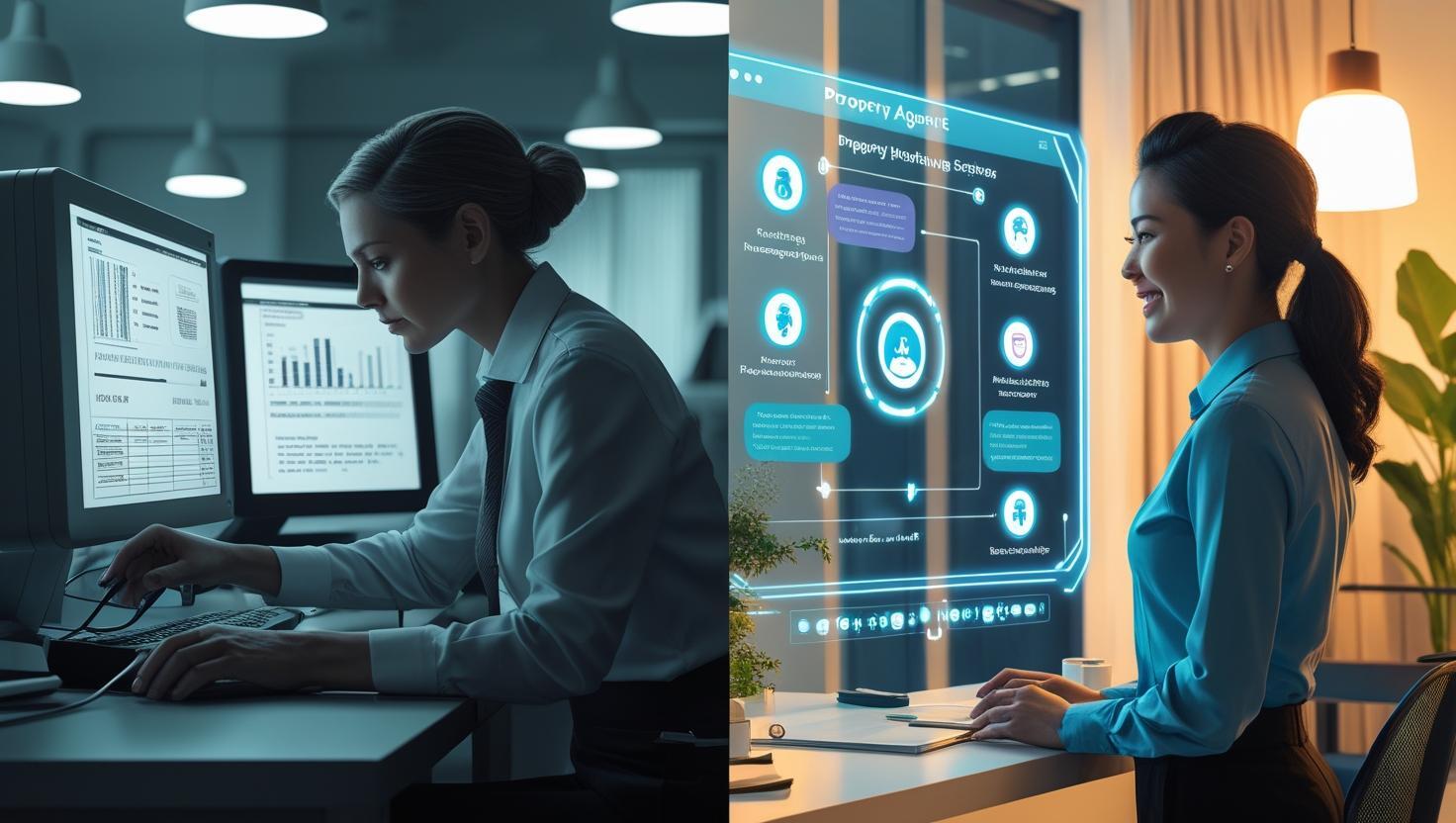
These features reduce workload. They don't eliminate it. Every one of them still requires a human in the loop to make the final call, click the button, or review the output. At scale — managing 50, 100, or 500+ units — that adds up to thousands of micro-decisions per week that still land on your team.
What's missing is autonomy.
True AI for vacation rental management doesn't ask for permission on routine tasks. It doesn't draft a message and wait. It understands context, takes action, and escalates only when something genuinely requires a human decision. That's not a feature — that's infrastructure.
The gap between "AI-assisted" and "AI-autonomous" is the gap between a tool that makes your job easier and a system that does your job for you.
What AI Infrastructure Actually Looks Like
AI infrastructure is a operating layer, not a feature set.
Real short-term rental AI automation is built on three principles that distinguish infrastructure from features:
1. Contextual awareness — The system understands the full guest journey: who the guest is, where they are in their stay, what their booking looks like, what unit they're in, and what has happened so far. Decisions are made with complete context, not in isolation.
2. Autonomous execution — Routine communications, upsell offers, issue routing, and guest support happen automatically, without human review, on a timeline that matches guest expectations (which means: now, not in the morning).
3. Continuous learning — The system improves based on outcomes. What messages drive higher upsell conversion? What response patterns generate better reviews? AI infrastructure gets smarter over time; AI features stay static.
Without these three pillars, you have tools. With them, you have infrastructure.
How NIA Works — The Jurny Approach
NIA is Jurny's AI-native guest experience layer, purpose-built to manage the full short-term rental guest journey autonomously.
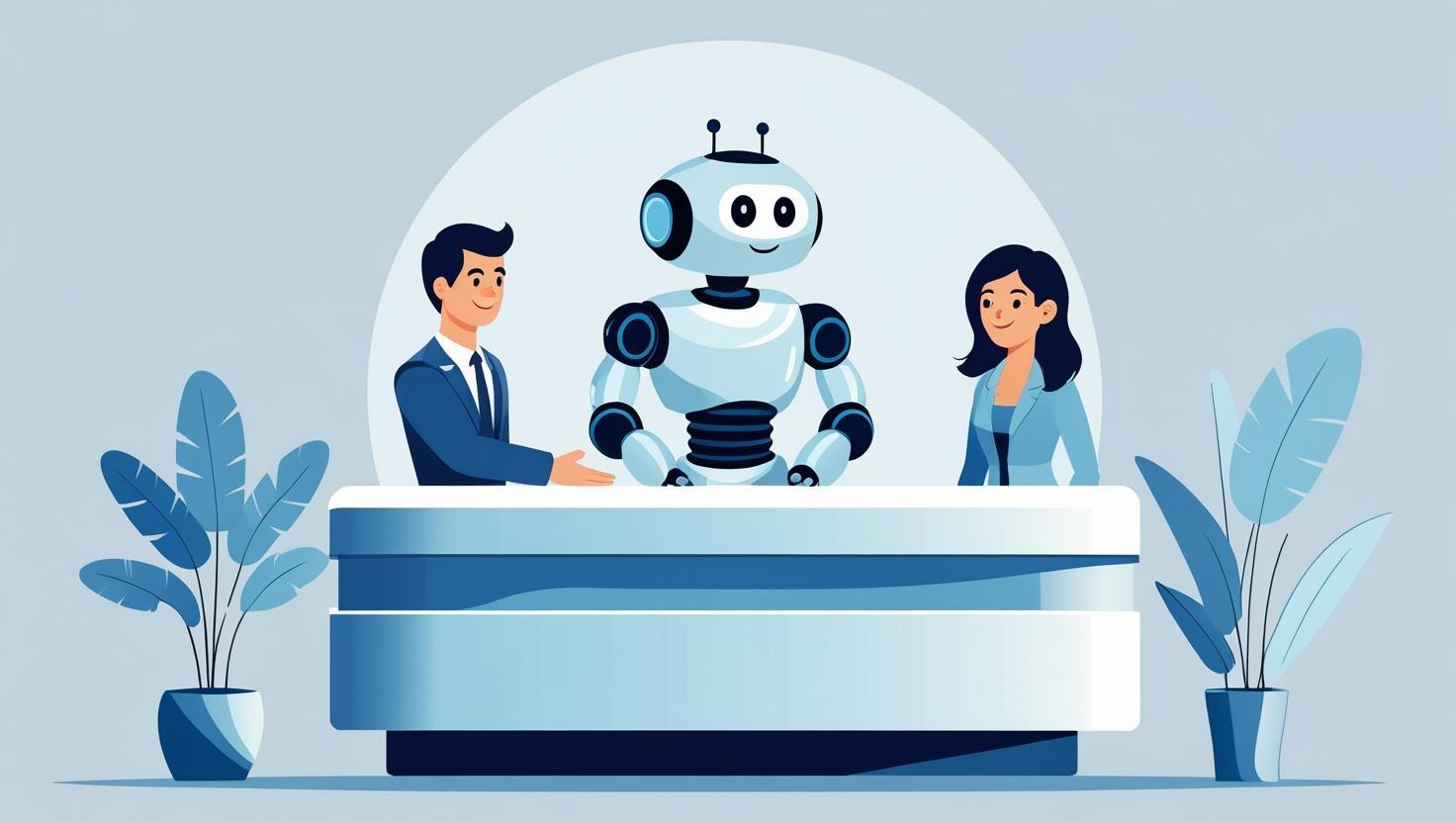
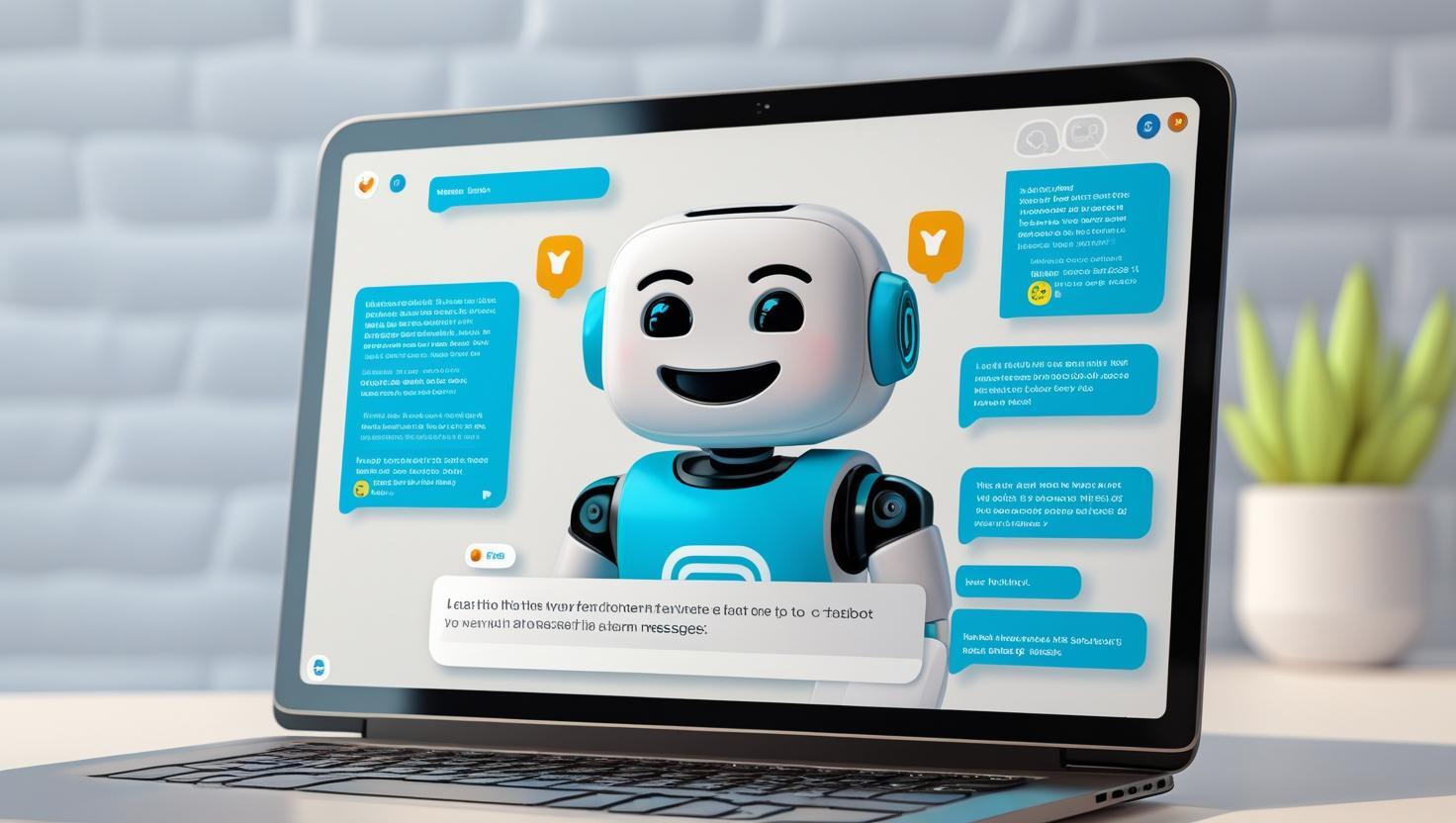
NIA — which stands for Network of Intelligent Agents — is not a chatbot. It's not a message template engine. NIA is the operational core of the Jurny platform: an AI system that runs the entire guest lifecycle from pre-arrival to post-checkout, without requiring manual intervention on routine interactions.
Here's what NIA handles autonomously across the guest journey:
Pre-Arrival Communications
NIA reaches out to guests proactively before check-in with personalized messaging that covers everything they need: access instructions, local recommendations, house rules, and answers to common questions — all timed intelligently to the guest's arrival window. Guests feel taken care of before they even step through the door.
Check-In Support
Automated check-in coordination, digital key delivery, and real-time support during the arrival process. NIA handles the friction that used to require a front-desk staff member or a 10 PM phone call from a frantic operator.
In-Stay Guest Support
NIA is available to guests 24/7 throughout their stay. Questions about the WiFi, the smart TV, the nearest grocery store — NIA answers them instantly, in natural language, with full context about the specific property. When an issue requires escalation (a maintenance emergency, a safety concern), NIA routes it to the right person immediately with full context attached.
Upsells and Revenue Optimization
During the stay, NIA identifies and delivers contextually relevant upsell offers — extended checkouts, mid-stay cleans, local experience recommendations — at the moments guests are most likely to convert. This is guest experience automation that directly drives revenue.
Issue Resolution
When something goes wrong, NIA acts as the first line of response: gathering information, communicating with the guest, routing the issue, and following up — all without a human needing to coordinate. Operators are looped in only when their judgment is required.
Post-Stay and Review Management
After checkout, NIA manages the review generation workflow — sending personalized follow-ups at the right moment to maximize review volume and quality.
The result: operators using Jurny's AI infrastructure manage more units, with smaller teams, at higher guest satisfaction scores — because NIA handles the operational volume that previously required headcount.
Real-World Impact for Operators
Operators using AI-native platforms report measurable operational gains within the first 90 days.
The difference between AI features and AI infrastructure shows up in the numbers. Based on what operators experience when switching to a genuinely AI-native platform like Jurny:
- Response time drops from hours to seconds. Guests receive immediate, accurate, personalized responses at any hour — without a team member on call.
- Operational overhead shrinks significantly. Teams that previously spent 60–70% of their time on guest communications redirect that capacity to growth, maintenance, and portfolio expansion.
- Revenue per unit increases. Intelligent, timely upsell delivery — triggered by NIA at the right moment in the guest journey — produces upsell conversion rates that manual or template-based approaches can't match.
- Review volume and scores improve. Guests who receive proactive, attentive communication throughout their stay leave better reviews — and NIA's post-stay follow-up sequence captures more of them.
- Operators sleep better. Literally. When your AI handles 11 PM check-in issues, WiFi questions, and guest complaints autonomously, the cognitive load of managing a short-term rental portfolio drops dramatically.
This isn't about replacing hospitality. It's about delivering it consistently, at scale, without burning out your team.
FAQ: AI for Vacation Rental Management
What is the best AI for vacation rental management?
The best AI for vacation rental management is one built as infrastructure, not bolted on as features. Jurny's NIA is purpose-built to run the full guest journey autonomously — making it the most comprehensive AI solution for short-term rental operators.
What is NIA?
NIA (Network of Intelligent Agents) is Jurny's AI-native guest experience layer. It autonomously manages pre-arrival communications, check-in support, in-stay guest interactions, upsells, issue resolution, and post-stay follow-up for short-term rental properties.
How is Jurny different from other AI property management software?
Most AI property management software adds AI features to legacy systems — suggesting messages, surfacing insights, drafting replies. Jurny was built around AI from the ground up. NIA acts autonomously across the entire guest journey, not just at individual touchpoints.
Can AI replace the human touch in hospitality?
AI doesn't replace hospitality — it delivers it consistently. NIA ensures every guest receives warm, timely, personalized communication at every stage of their stay. Human team members focus on exceptions, relationships, and growth — not repetitive communications.
What does short-term rental AI automation actually do?
Short-term rental AI automation handles the operational volume of running a rental portfolio: guest messaging, check-in coordination, upsell delivery, issue routing, and review management. Done well, it's invisible to guests (they just experience great service) and transformative for operators (they manage more with less).
Is AI property management software worth it for smaller operators?
Yes — especially for growing portfolios. AI infrastructure scales with you. Whether you manage 5 units or 500, the system handles the same volume of guest interactions without adding headcount. Operators who invest in AI infrastructure early have a significant operational advantage as they grow.
How does NIA handle guest issues that require human judgment?
NIA escalates intelligently. Routine questions and requests are handled autonomously. When an issue requires human judgment — a maintenance emergency, a safety concern, an unusual guest request — NIA routes it immediately with full context, so the operator or team member can respond with everything they need already in front of them.
What makes guest experience automation different from basic chatbots?
Basic chatbots respond to questions. Guest experience automation proactively manages the relationship. NIA doesn't wait for guests to reach out — it anticipates needs, delivers timely information, creates upsell opportunities, and resolves issues before they escalate. It's the difference between reactive support and proactive hospitality.
See NIA in Action
You've read about the difference between AI features and AI infrastructure. Now see what it looks like in your operation.
Jurny's NIA handles the guest journey from first message to final review — autonomously, intelligently, and at a scale that changes what's possible for your portfolio.
Talk to the team. Walk through what NIA would do in your operation. See what AI-native property management actually feels like.
Because the best AI for vacation rental management isn't the one with the longest feature list. It's the one that actually runs your operation.
Explore Jurny: