
A couple of years ago, AI entered the hospitality conversation with a lot of fanfare. Property management platforms rushed to announce their "AI features." The pitch was compelling: save hours every week, automate guest communication, reduce your operational burden, scale without hiring.
If you've been in this industry long enough, you know what happened next.
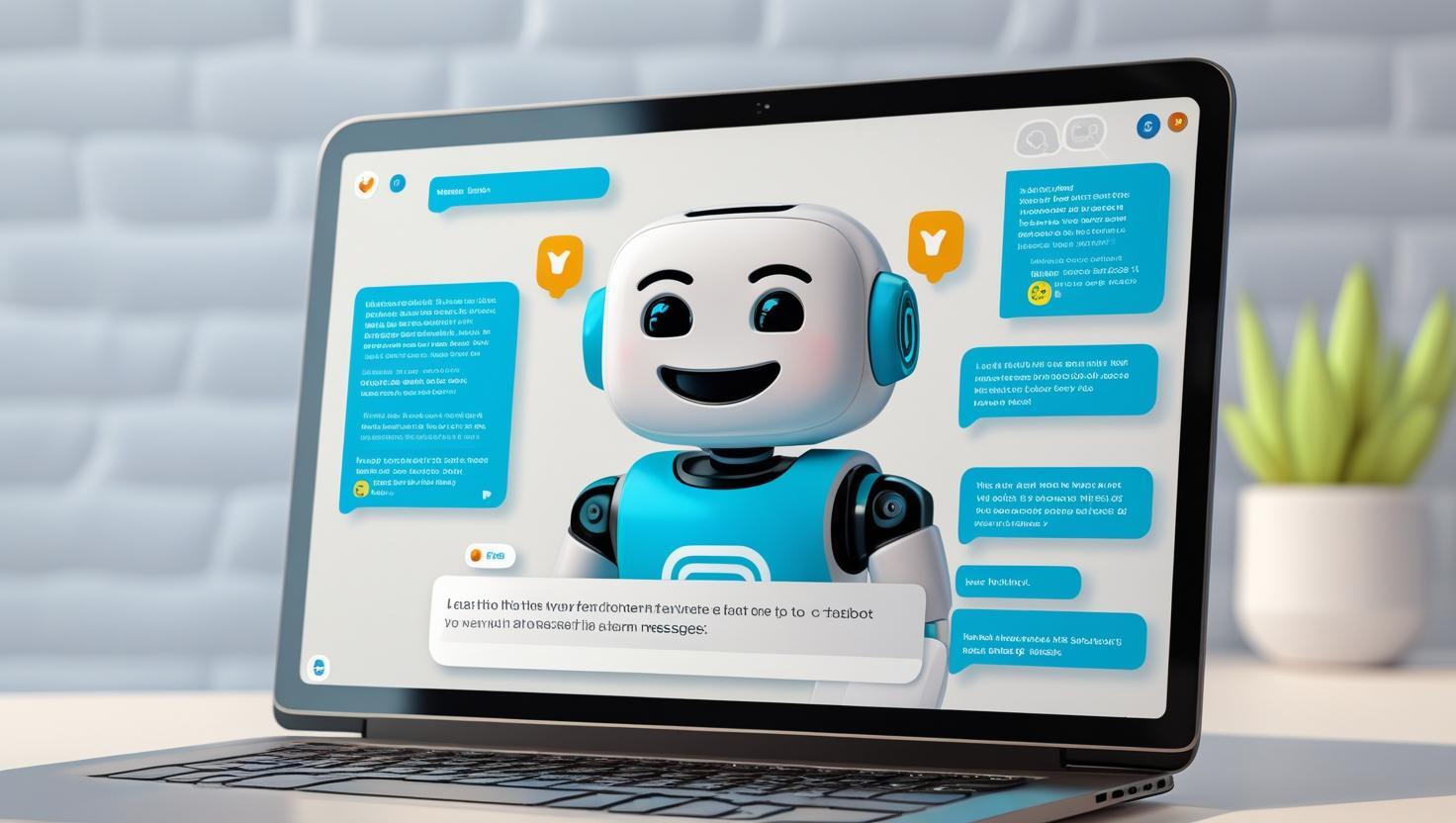
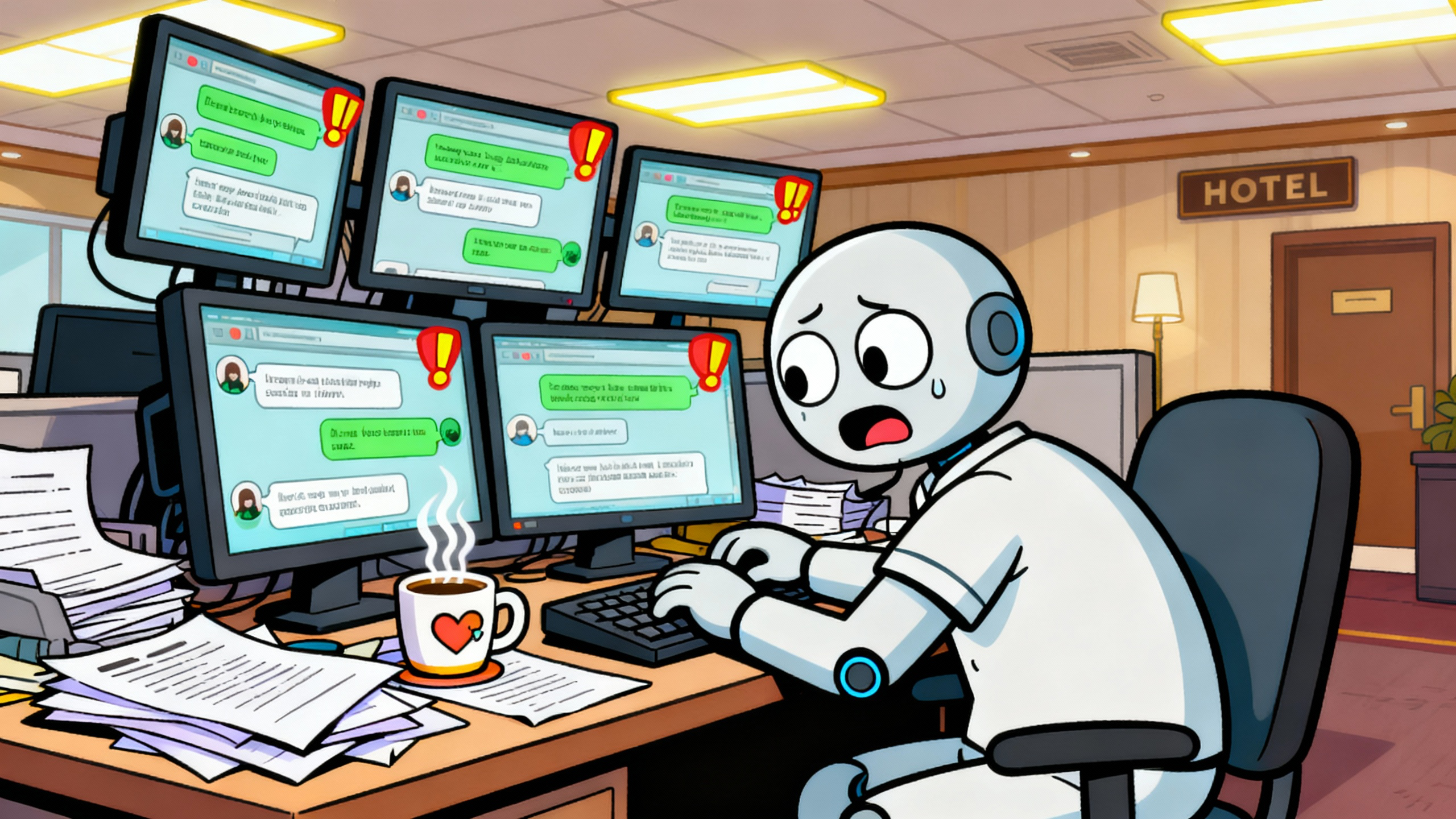
Operators started using these tools and found themselves, somehow, doing more manual work than before. Guests got confused responses from bots that couldn't answer a simple question about parking. Support tickets went unanswered because the "AI" thought it already handled them. And when something actually needed action — a last-minute booking change, a maintenance issue, a guest locked out at midnight — the bot had no idea what to do.
The promise said: "AI will save you hours."
The reality said: "Good luck explaining to your guest why the chatbot told them check-in is at 2pm when it's actually 4pm."
You're not imagining the gap. It's real. And it's structural.
Why "AI Support" Often Makes Things Worse
Here's the core problem: most platforms built their AI on top of existing software, not into it. What that means in practice is a chatbot that can answer frequently asked questions from a knowledge base — but can't touch your actual data.
It can tell a guest their check-in time if someone already entered that into a static FAQ. It cannot look at the live reservation and confirm the actual time. It cannot reschedule a cleaning. It cannot flag that a guest's early check-in request conflicts with another booking. It cannot do anything.
When AI is positioned as "guest support," but all it really does is search a document and respond with templated text, you haven't automated support. You've just added a frustrating layer between your guest and an actual solution. Guests aren't stupid — they know when they're talking to a bot that doesn't have answers. And when that happens, trust erodes.
The operators who've pulled back from these tools aren't anti-AI. They're anti-theater. They want AI that works, not AI that performs.
The Difference Between AI as a Feature and AI as Architecture
This is the distinction that matters most, and it's the one that's hardest to see from a sales page.
AI as a feature is a module added to existing software. It has its own interface, its own data silo, and a very limited connection to your actual operations. It can generate responses and summarize information. It cannot act. It cannot reach into your calendar, your reservations, your pricing rules, or your guest records and do something meaningful.
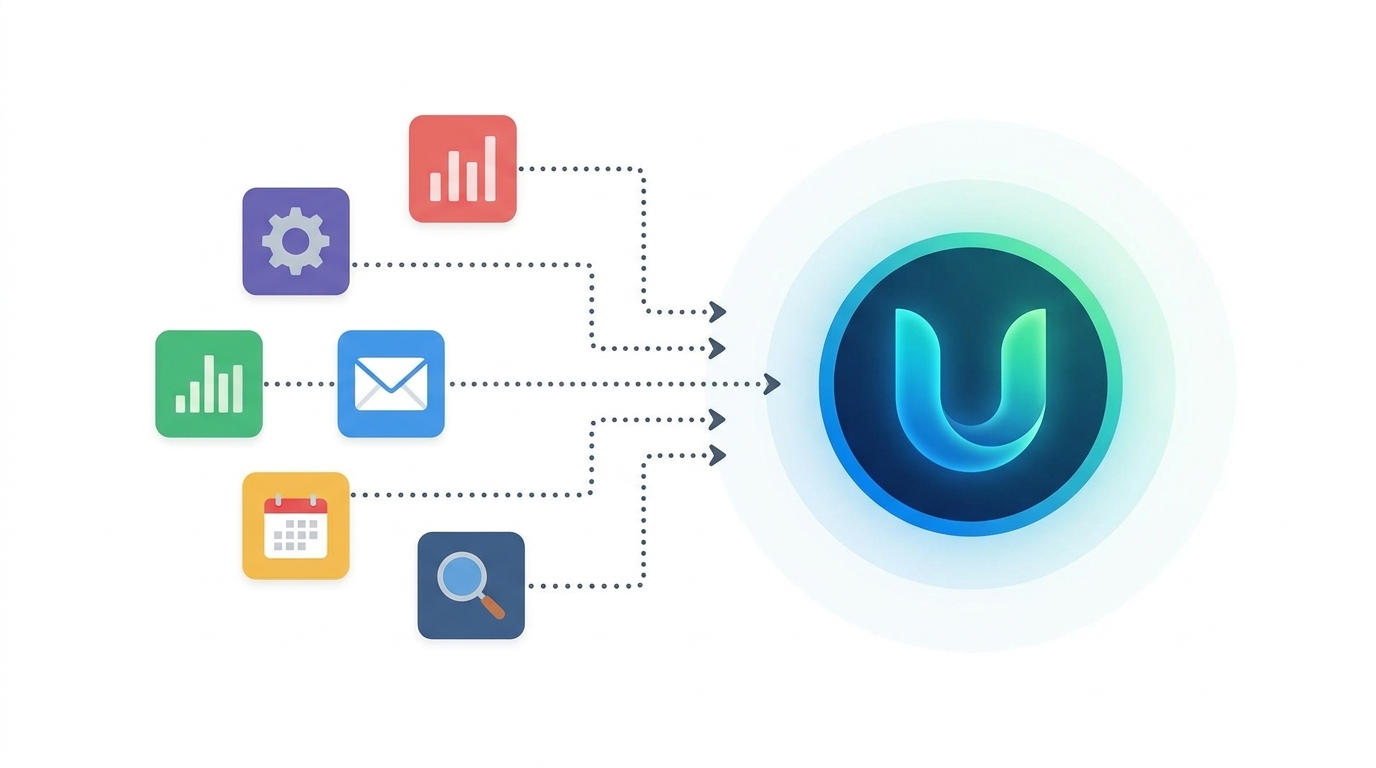
AI as architecture is different. It means your AI layer has deep, bidirectional access to your operational data. When a guest asks a question, the AI doesn't just search an FAQ — it queries the actual reservation. When a request comes in, the AI can check availability, update records, trigger workflows, and escalate intelligently when human judgment is needed.
This is what Jurny built with our MCP (Model Context Protocol) integration. MCP isn't a product feature — it's a foundational approach to how AI connects to your property data. An AI agent running on MCP can interact with your reservations, guest profiles, pricing, and operational workflows directly. It's the difference between an AI that knows about your business and an AI that can act on behalf of your business.
The Question Every Operator Should Ask
When a PMS vendor tells you they have AI, ask them one question: "Can your AI actually do something, or can it only answer questions?"
Specifically:
- Can it look up a live reservation and give a guest accurate, real-time information?
- Can it trigger an action — a message, a task, a calendar update — based on what it finds?
- If something unexpected happens, can it escalate intelligently to a human?
If the answer is vague, or if the demo only shows a chat interface with scripted responses, you're looking at AI as a feature. Which means you're paying for theater.
What AI Should Actually Be for STR Operators
A guest messages at 2am asking if they can check in early because their flight lands at 7am. Real AI checks the live calendar. It sees the prior guest checks out at 11am and there's a 90-minute cleaning window. It responds honestly: "Early check-in isn't available, but we can offer self-check-in at 12:30pm — does that work?" No human woke up. No manual lookup happened. The guest got an accurate, helpful answer.
That's not science fiction. That's MCP-connected AI.
The operators who are going to win the next five years aren't the ones with the most properties — they're the ones who build operations that are genuinely intelligent. Where the software doesn't just store data, but acts on it.
AI in short-term rentals was always going to have a hype cycle. We're in the middle of it. But on the other side are operators who made smart decisions about which AI actually works — and built businesses that can scale because of it.
FAQs
Question 1: What is the difference between an AI chatbot and an AI-native PMS?
Answer: An AI chatbot is a simple feature bolted onto an existing software platform. It can only answer basic questions by searching a static FAQ document. An AI-native PMS, like Jurny jOS, connects artificial intelligence directly to the core architecture of your business. It has bidirectional access to your live data, meaning it can actively check availability, update reservations, and trigger operational workflows automatically.
Question 2: Why do most "AI" tools fail to help property managers?
Answer: Most platforms build their AI on top of existing software rather than into it. When AI operates in a silo without deep access to your calendar, pricing rules, and guest records, it cannot perform meaningful actions. This forces guests to talk to a bot that has no real answers, ultimately creating more manual work and frustration for your team.
Question 3: What should I look for when evaluating AI property management software?
Answer: Always ask vendors one critical question: "Can your AI actually execute tasks, or can it only answer questions?" If the AI cannot look up a live reservation, trigger a cleaning task, or update a calendar based on a guest request, you are paying for AI theater, not true automation.
Question 4: How does the Model Context Protocol (MCP) improve AI in hospitality?
Answer: The Model Context Protocol (MCP) is an open standard that allows advanced AI models to securely connect to external operational data. Jurny’s MCP integration means your AI agent isn’t just guessing—it is reading your live reservations, guest profiles, and pricing algorithms to make intelligent, real-time decisions on your behalf.
Question 5: Can AI handle complex guest requests, like early check-ins?
Answer: Yes, if it is AI-native! When a guest requests an early check-in, a true AI-native system (like Jurny) will instantly check the live calendar, verify the prior guest's checkout time, calculate the required housekeeping window, and either approve or deny the request accurately—all without waking up a human operator.
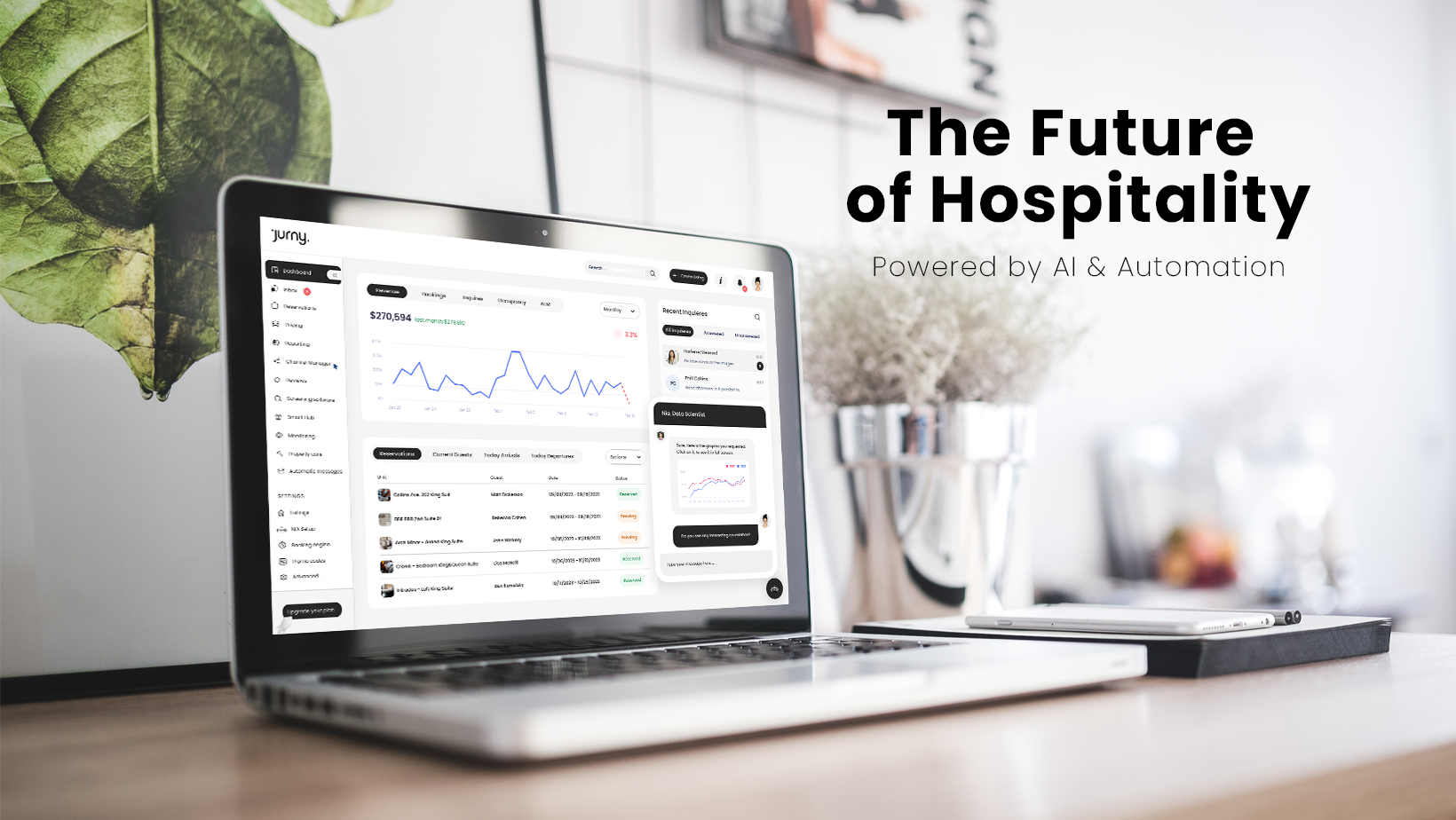
Jurny is the hospitality operating system built for the AI era. Learn how our MCP integration connects AI to your actual operations — not just your FAQ page. Book a demo
Explore Jurny: