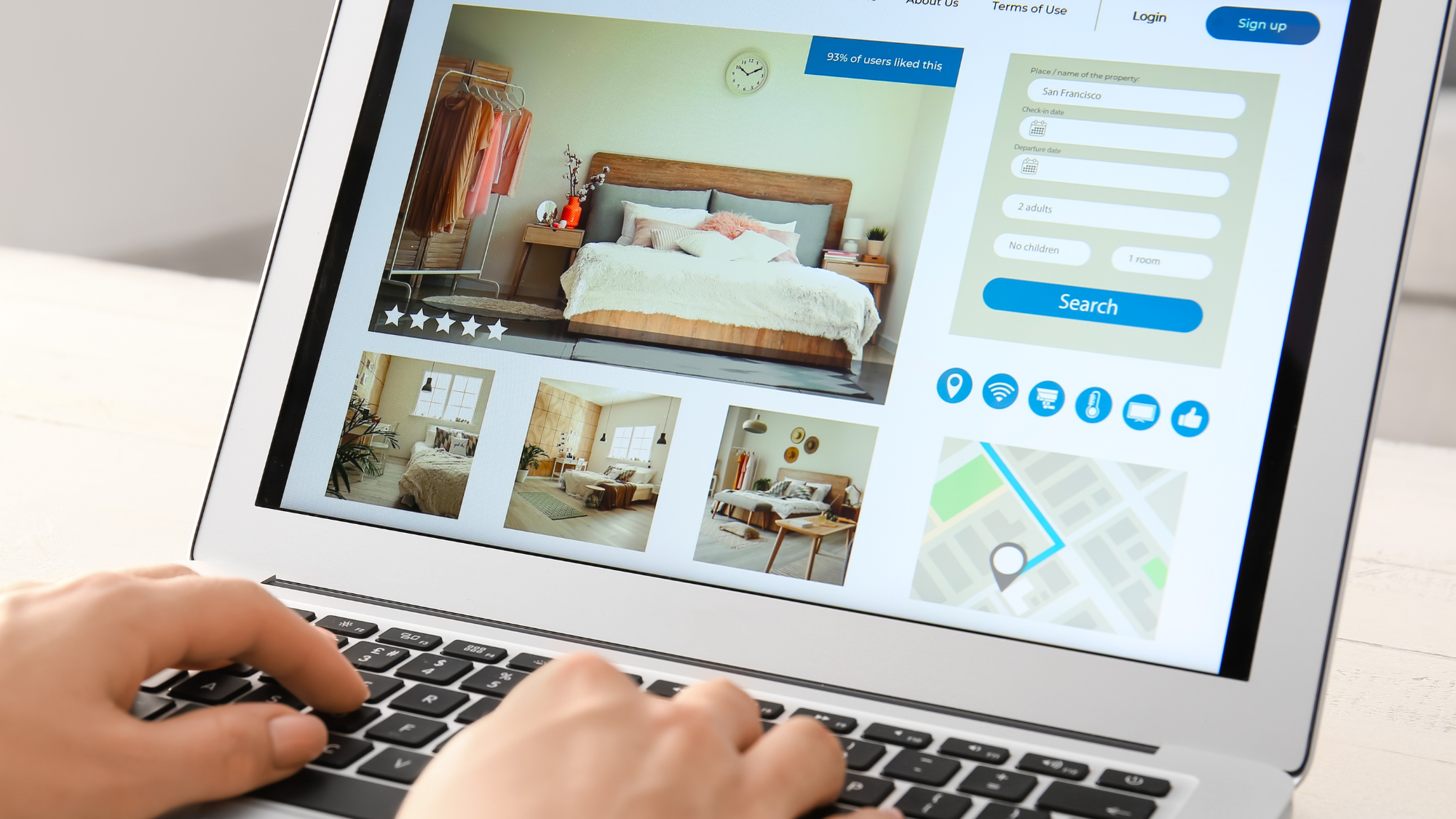
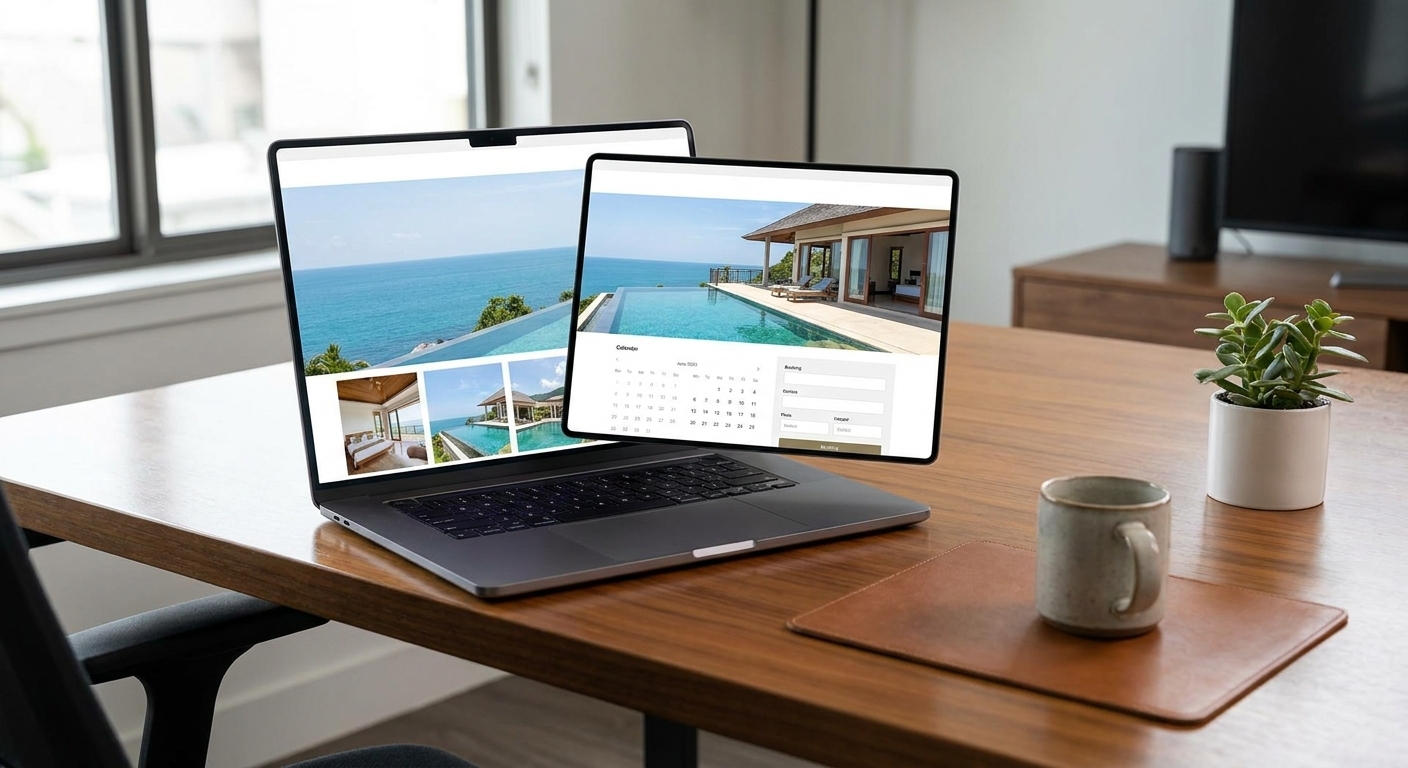
The average short-term rental operator who decides to build a direct booking channel makes the same mistake: they build a website and wait for guests to find it.
Six months later, the website exists, it looks professional, it has a working booking system — and it generates almost no bookings. The operator concludes that direct bookings are too hard to build, that guests prefer OTAs, and that the project was not worth the investment.
The conclusion is wrong. The diagnosis is right. The website was built, but the channel was not.
Mistake 1: Building a Booking Site Instead of a Booking Channel
A direct booking site is a transaction layer. A direct booking channel is a guest relationship system. The website handles the mechanics of booking — calendar, pricing, payment. The channel is everything that brings guests to the website and gives them a reason to use it instead of an OTA.
Operators who build a website and call it a direct booking channel have built the easy part and skipped the part that actually drives bookings. The guests who book directly are almost exclusively guests who have already stayed with you — they know the property, they trust you, and they have a reason to seek out your site rather than defaulting to the platform they already have an account on. Without a system to capture and re-engage past guests, the website has no audience.
Mistake 2: No Compelling Reason to Book Direct
Guests have OTA accounts. They have saved payment methods, review histories, and booking interfaces they already know. The friction of finding your direct booking site and setting up a new payment flow is meaningful. Without a compelling reason to overcome that friction, most guests will not bother.
The reasons that work: transparent pricing without the OTA service fee (which can add fifteen to twenty percent to the guest's total), direct communication access before booking, and a loyalty rate for returning guests. The reasons that do not work: "support our small business" or "book direct for the best price" when the price difference is not clearly and immediately visible.
The best direct booking incentive is the one that makes the economics obvious to the guest in the first few seconds of encountering it.
Mistake 3: No Post-Stay Re-Engagement System
The highest-converting audience for a direct booking channel is guests who have already stayed with you. A guest who had a great experience, left a five-star review, and is planning to return is exactly the guest who should book directly next time — and they will, if they receive the right offer at the right moment.
Without an automated post-stay sequence that reaches guests at the optimal moments — immediately after checkout, thirty days later with a direct booking incentive, and seasonally thereafter — these guests will default to reboooking through an OTA because that is the path of least resistance.
The sequence is not complicated. It requires a guest CRM that captures contact information, a messaging system that can execute the sequence automatically, and a direct booking offer that makes economic sense for the guest. The operators who have built to twenty percent direct bookings have these three elements. Operators who have not built to twenty percent are typically missing at least one of them.
Mistake 4: The Channel Is Not Integrated With the Availability System
A direct booking that creates a double booking because it was not connected to the OTA availability layer is operationally worse than no direct bookings at all. The experience of managing a double booking — the forced refund, the platform penalty, the guest complaint — tends to make operators immediately pull back from direct bookings, even when the root cause was an integration failure rather than the direct booking channel itself.
The direct booking site must be connected to the same availability layer as all OTA channels. When a guest books directly, Airbnb, Vrbo, and Booking.com block simultaneously. This requires the direct booking platform to be integrated with the same channel management system as the OTAs — not a separate calendar that syncs on a delay.
Jurny treats the direct booking channel as a first-class component of the availability system — the same real-time sync that governs OTA availability applies to direct bookings. Book a demo to see how the direct booking channel fits into the full operating system.
Explore Jurny: