Every short-term rental operator managing fifteen or more properties is paying OTA commissions they did not budget for when they started. OTA fees across a portfolio of twenty properties at average occupancy represent a meaningful annual cost that compounds every year the business grows.
The answer is not to abandon OTAs. They deliver volume that direct booking channels cannot match, especially in the early stages of building a brand. The answer is to build a direct booking channel that works alongside OTAs — capturing returning guests, local partnerships, and brand-aware searches — and gradually shifting the booking mix toward the channel with better economics.
Most operators who try to build direct booking revenue fail not because the idea is wrong but because they build it incorrectly. Here is what actually works.
Why Most Direct Booking Channels Underperform
The most common approach to direct bookings is to set up a booking website, post the link in welcome messages, and hope that guests return through it. This rarely generates meaningful volume — and the reason is not the website. It is the absence of a strategy for capturing and re-engaging guests after their stay.
A direct booking channel is not a website. It is a relationship. The website is the transaction layer. The relationship is built through every interaction during and after the stay — the personalized communication, the follow-up after checkout, the anniversary reminder sent eleven months later, the loyalty rate offered to guests who book directly.
Without that relationship layer, a direct booking website is just another booking page that guests have no particular reason to find or use.
The Four Components of a Direct Booking Channel That Works
1. A Booking Experience Worth Using
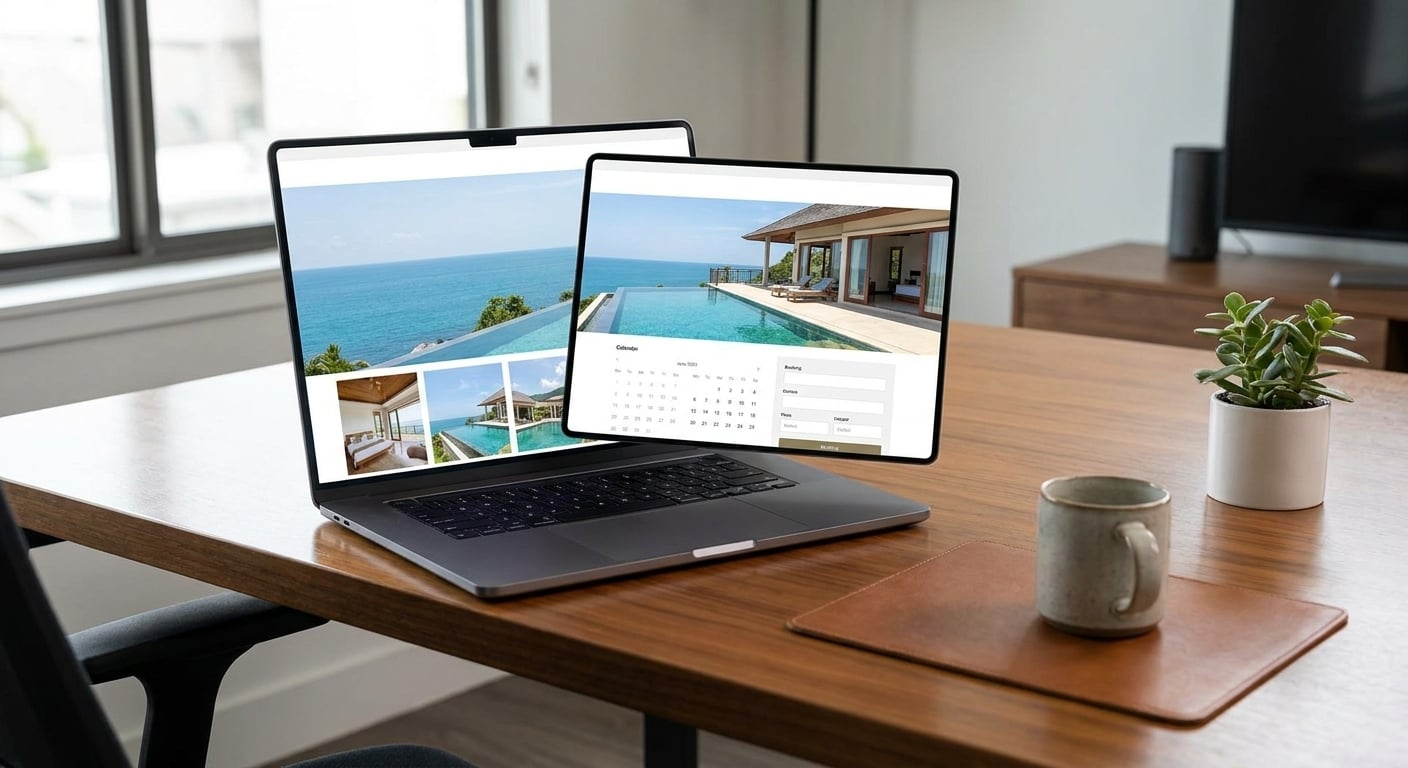
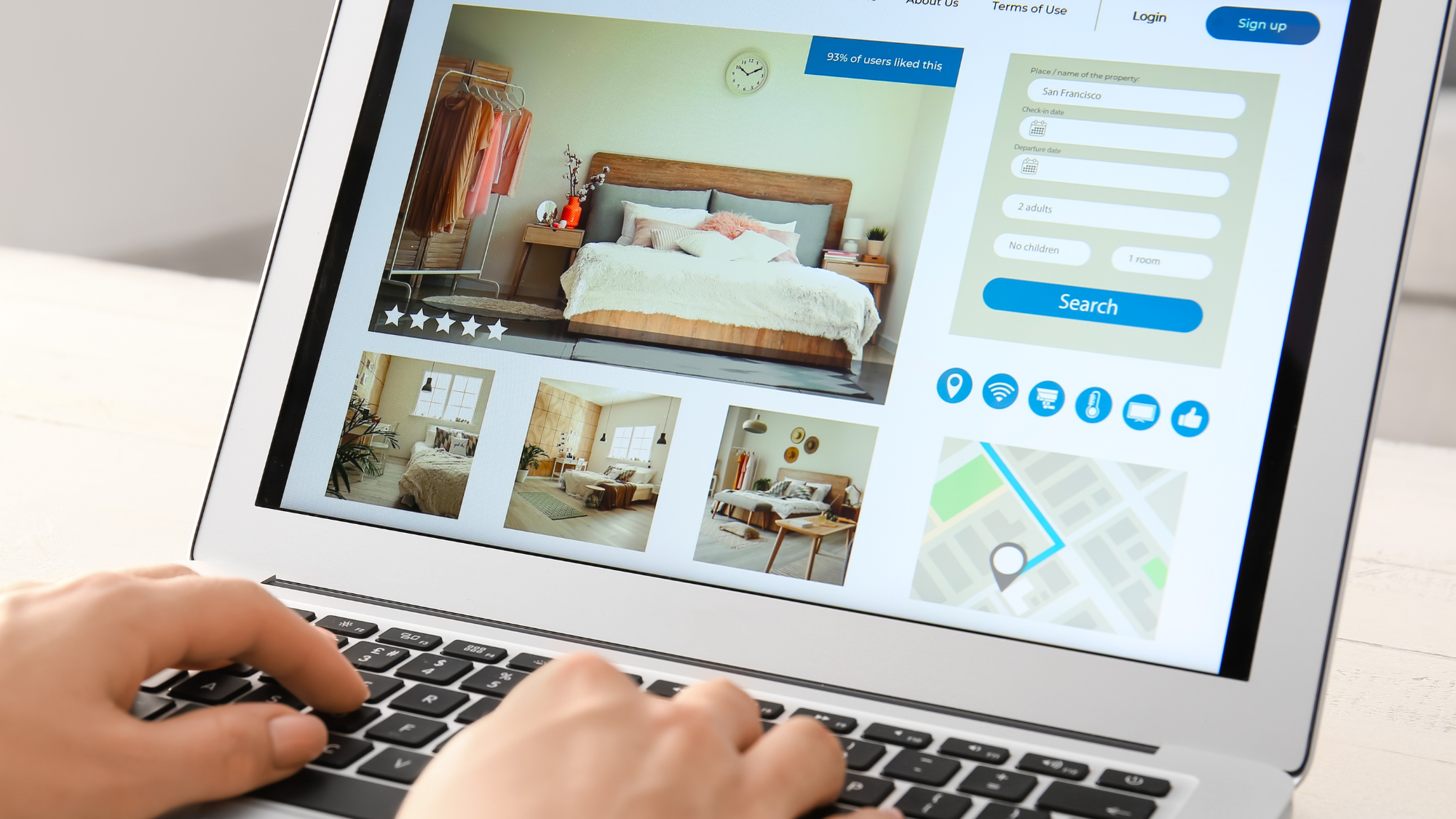
Your direct booking site needs to offer something the OTAs do not — or the guest has no reason to go out of their way to use it. The most effective direct booking incentives are transparent pricing (no OTA service fee, which can add 14-20% to the guest's total), direct communication access before booking, and a loyalty rate for returning guests.
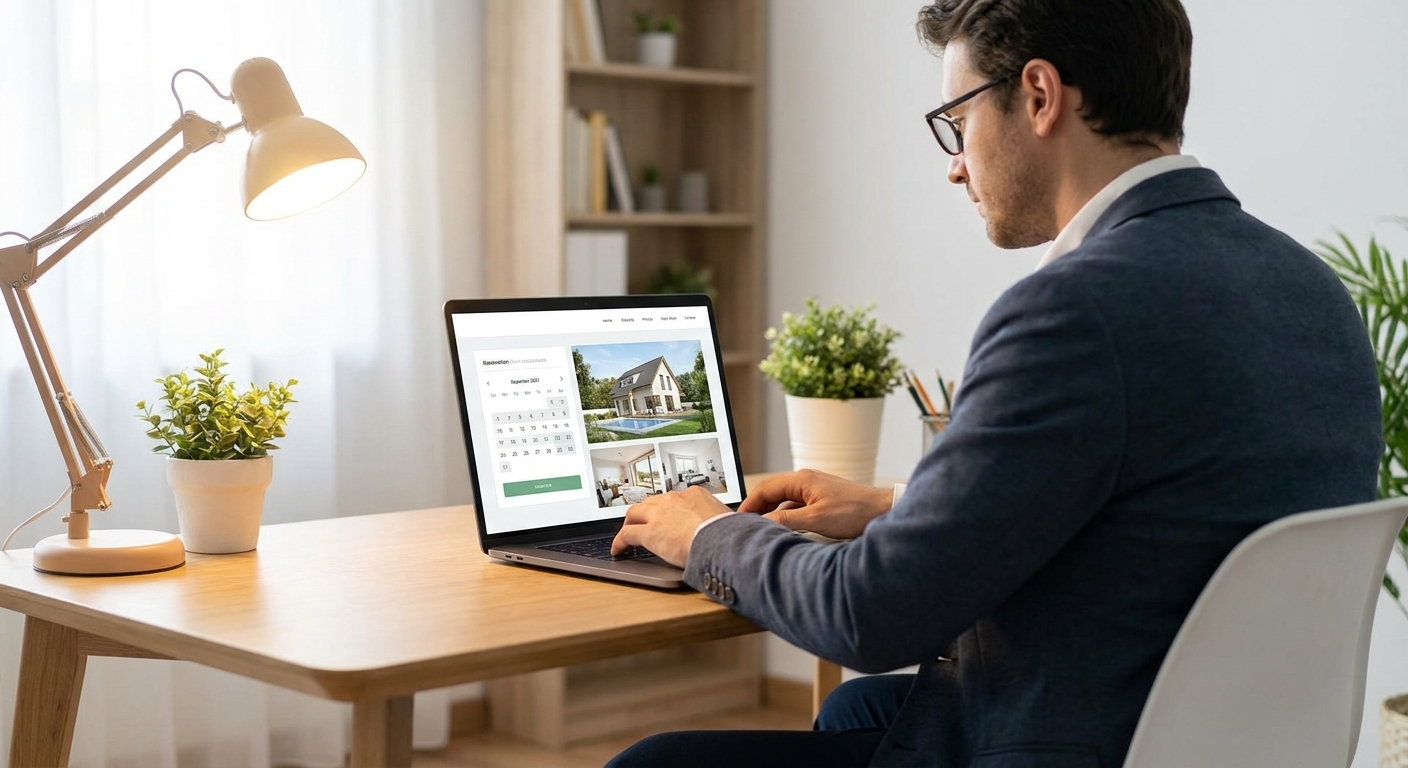
The booking experience itself needs to be frictionless. A site that requires multiple steps, does not display availability accurately, or does not integrate with your payment processor will lose guests at the checkout step regardless of how good the incentive is.
2. Post-Stay Re-Engagement
The highest-converting direct booking audience is guests who have already stayed with you. They know the property, they trust the experience, and they have already made the decision to travel to your market. The question is whether you capture them for the next visit before the OTA does.
Post-stay re-engagement requires a CRM that captures guest data and an automated sequence that reaches guests at the right moments: a thank-you message at checkout, a review request 48 hours later, a direct booking incentive 30 days after checkout, and an anniversary or seasonal re-engagement message at the appropriate interval.
Inside Jurny, NIA manages this re-engagement sequence automatically — reaching the right guests at the right time with personalized messaging based on their stay history.
3. Channel Integration That Prevents Double Bookings
The most common reason operators pull back from direct bookings is the operational complexity of managing availability across multiple channels. A direct booking that creates a double booking is worse than no direct booking program at all.
Your direct booking site must be connected to the same availability layer as your OTA channels. When a guest books directly, availability blocks on Airbnb, Vrbo, and Booking.com simultaneously — not after a sync delay. Jurny's channel management treats direct bookings as a first-class channel in the availability system — not an afterthought.
4. A Reason to Come Back
The loyalty economics of direct bookings are compelling. A guest who books directly saves the OTA service fee — typically 12-20% of the booking total. If you pass some of that saving to the guest as a loyalty rate, you create a tangible incentive that compounds over multiple stays.
A guest who books three times directly at a property over three years is worth significantly more than the same guest booking through Airbnb each time — not just in commission savings, but in the data you accumulate about their preferences, the relationship you build, and the likelihood that they refer others directly.
What Realistic Direct Booking Revenue Looks Like
Operators who have built effective direct booking channels over two to three years consistently report that direct bookings represent 15 to 25 percent of their total booking volume. The economics are straightforward: on a $200 per night average rate, eliminating a 15 percent OTA commission on 20 percent of bookings adds $6 per available night to revenue — across a twenty-property portfolio operating at 70 percent occupancy, that is meaningful annual incremental margin.
The channel does not replace OTAs. It supplements them — capturing the repeat guest segment and the brand-aware segment while OTAs continue to deliver discovery and first-time bookings.
If you are managing fifteen or more properties and want to understand how direct booking fits into your revenue mix, book a demo with Jurny.
Explore Jurny: