Let's start with what's true: the move toward direct bookings is one of the most important strategic shifts in short-term rentals right now.
OTA commissions are painful. You're paying 15–20% per booking to platforms that own the guest relationship, control the search algorithm, and can change their rules at any time. Meanwhile, the guests sleeping in your properties don't know your name. They know the platform's brand.
Direct bookings change that. You own the relationship. You capture the email. You set the terms. You build loyalty. The financial math is obvious — even a modest shift toward direct can add meaningful margin at scale.
So the instinct to invest in direct booking is completely correct. The problem is what most operators do next.
The Myth: "I Just Need a Website with a Booking Engine"
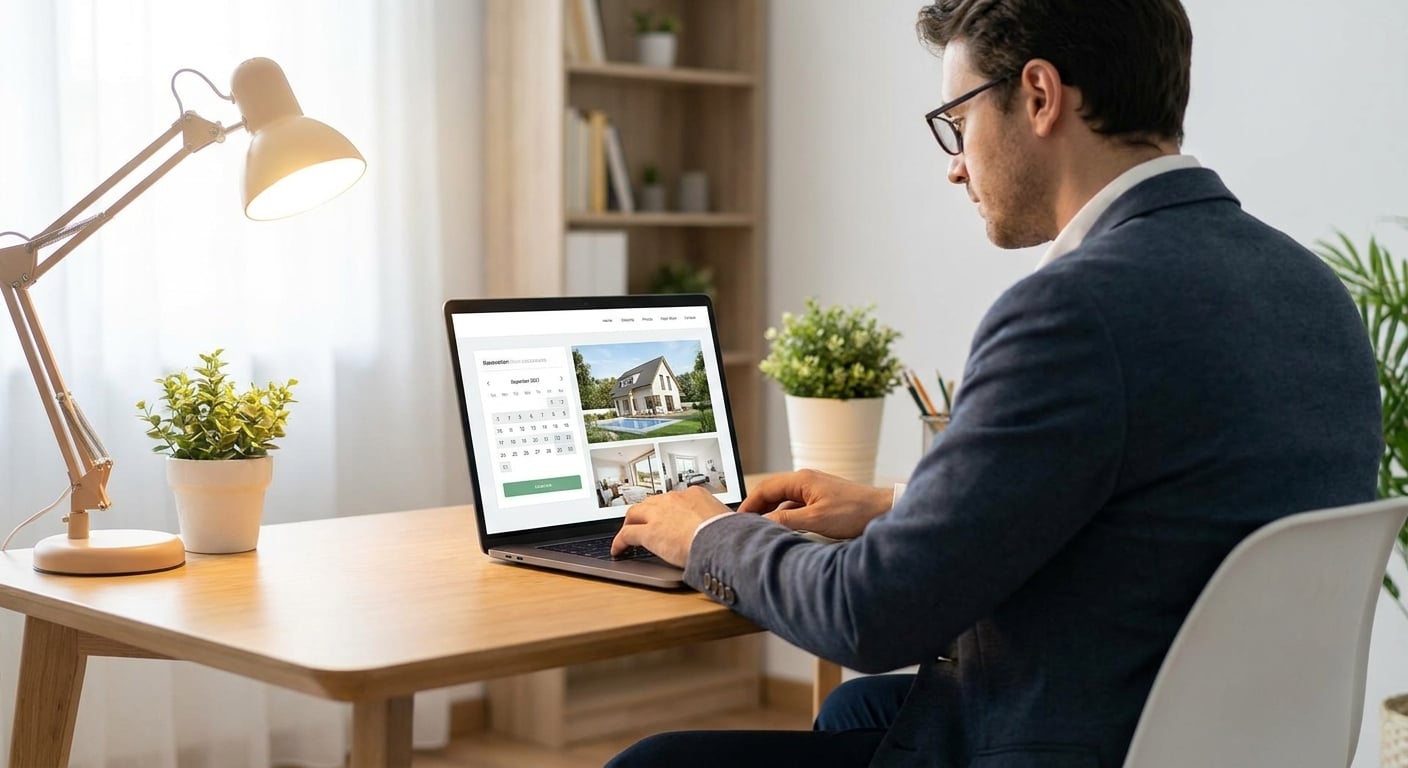
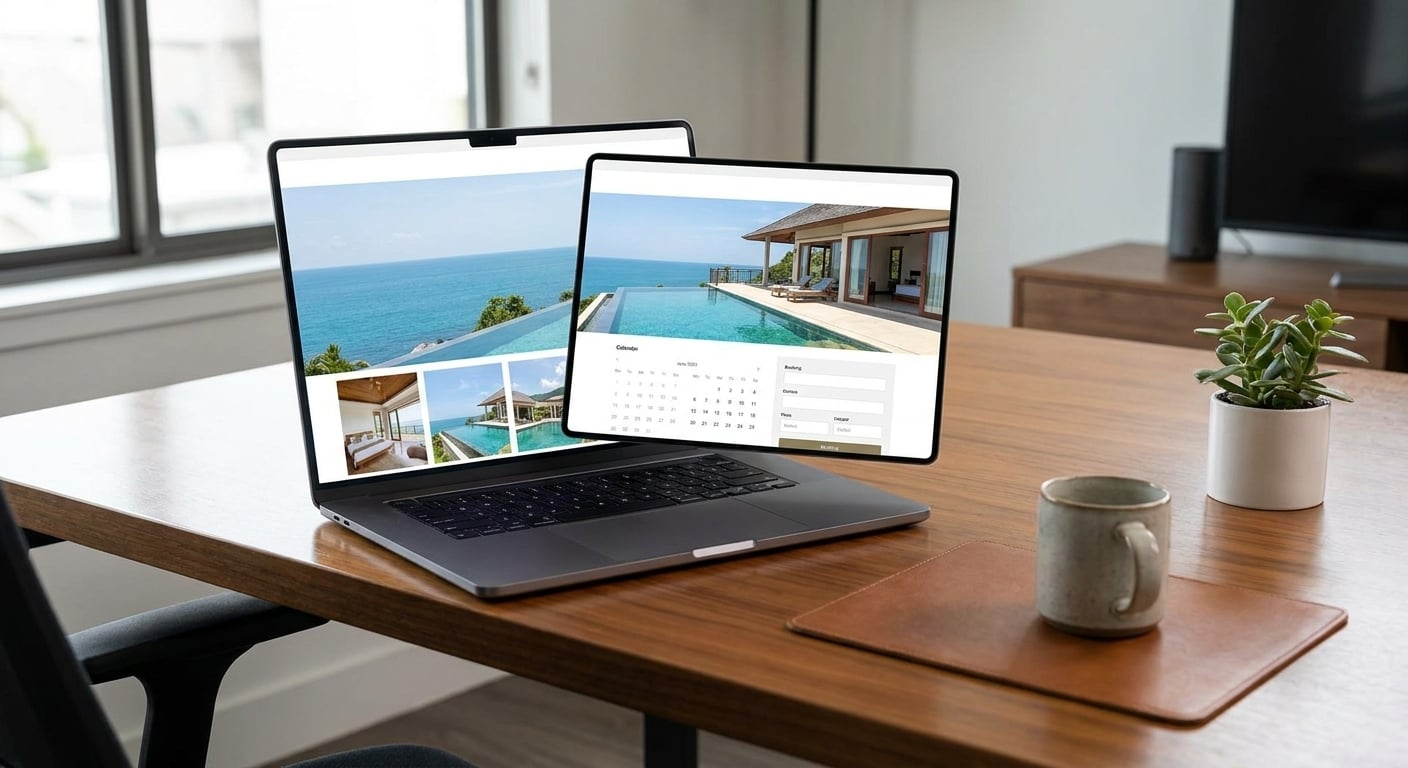
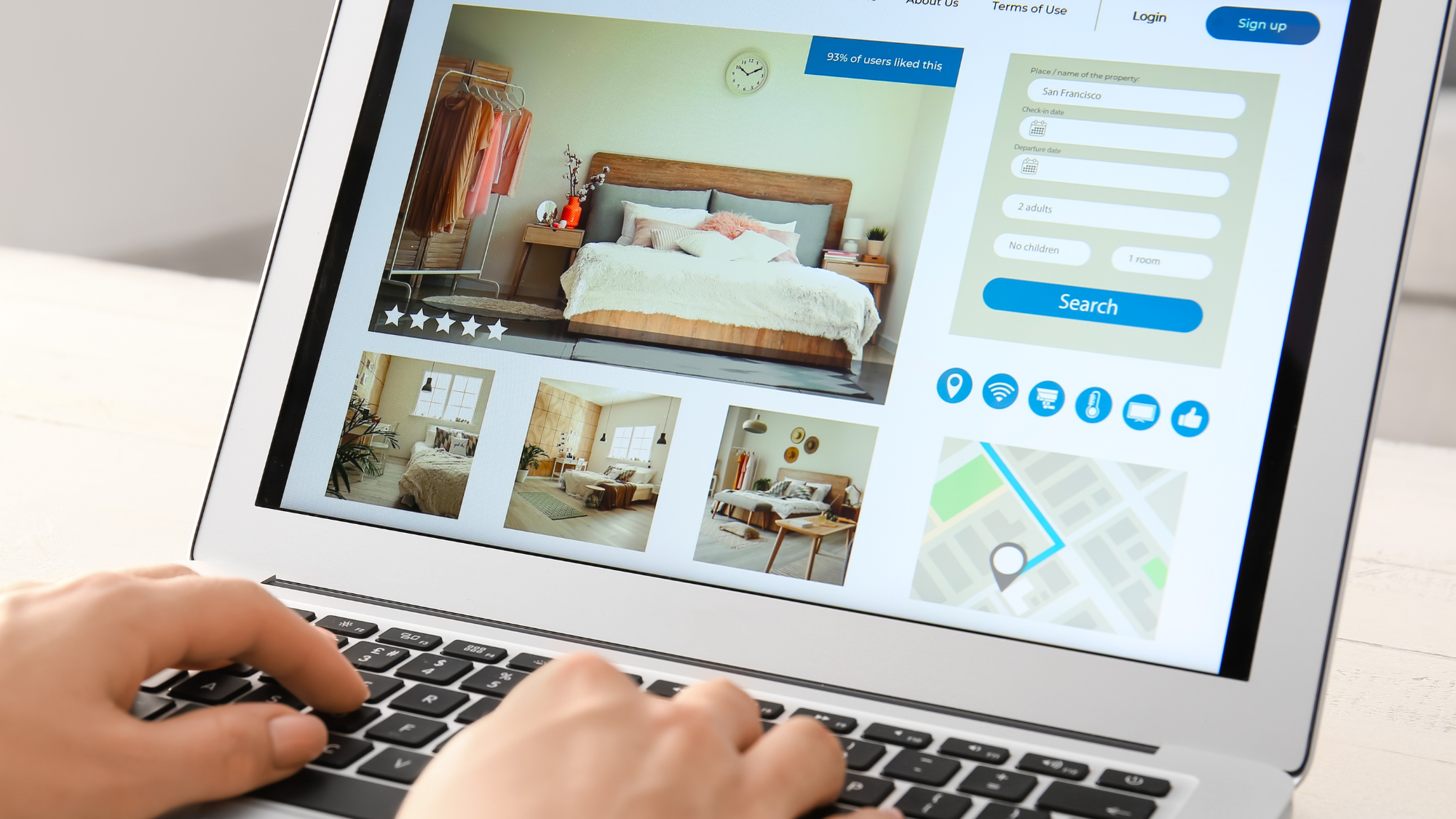
Here's the pitch you're hearing from a growing number of vendors right now: build a beautiful property website, drop in a booking widget, connect your calendar, and start collecting commission-free bookings.
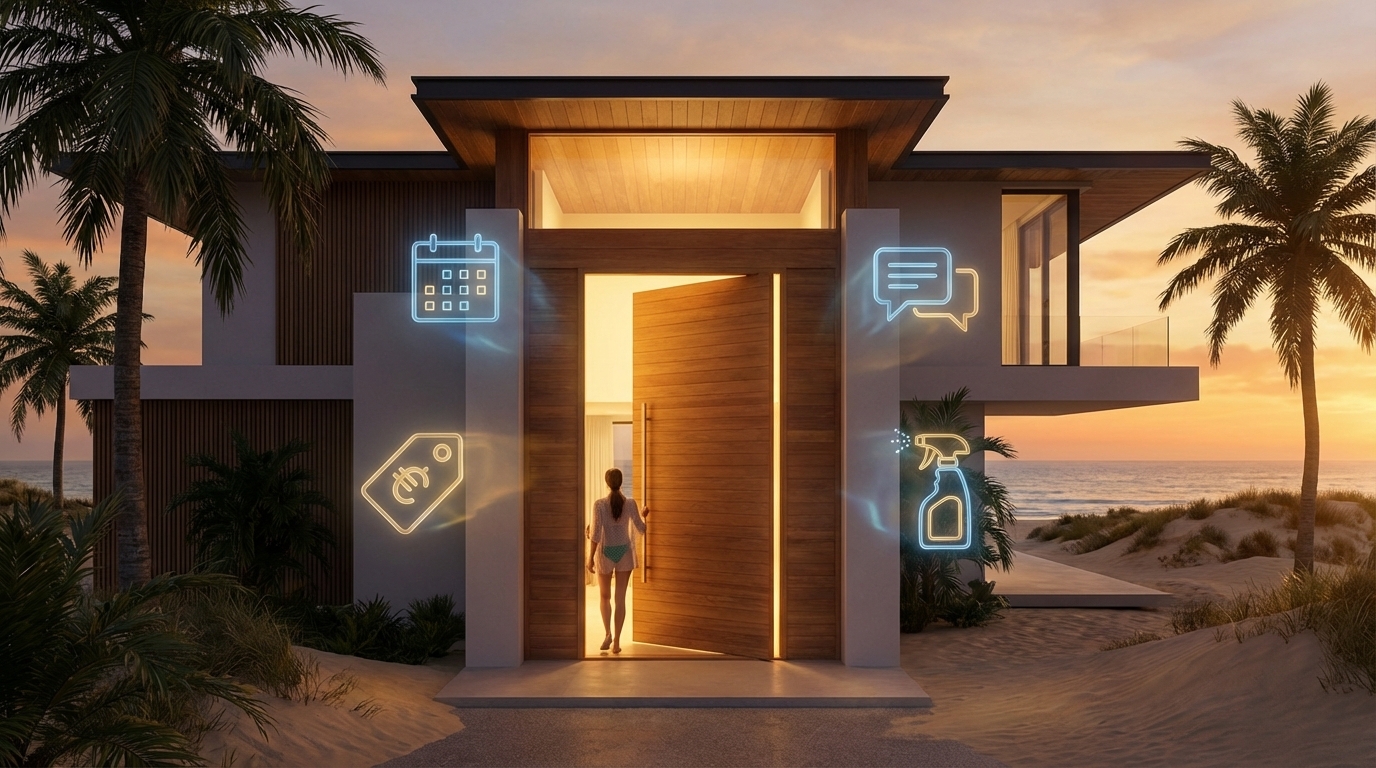
But here's what that pitch glosses over: a booking page is just the front door. What happens after the guest walks through it?
If your booking site isn't deeply integrated with the rest of your operation, you've built a front door that opens into a construction zone. The guest books — and then the work begins. Manual calendar sync. Manually sending check-in instructions. Manually updating pricing because the booking site doesn't talk to your dynamic pricing tool. Manually coordinating cleaning because the job didn't auto-schedule.
You traded OTA commissions for hours. That's not a win.
The Reality: Direct Booking Success Requires Conversion AND Fulfillment
Direct booking is actually two problems, not one — and most tools only solve the first. Conversion is getting the guest to book. The website, the photos, the reviews, the checkout flow. Yes, this matters.
Fulfillment is everything that happens after. Confirmation email. Pre-arrival communication. Dynamic pricing that didn't cause a double-booking. Automated check-in instructions triggered at exactly the right time. Upsell opportunities surfaced when they're relevant. A guest experience that runs smoothly from booking to checkout review request.
If your direct booking website handles conversion but leaves fulfillment to a patchwork of disconnected tools, you haven't reduced operational complexity. You've added to it.
What a Fully Integrated Direct Booking Stack Actually Looks Like
- One source of truth. A booking made on your direct site instantly closes availability everywhere else via the multi-calendar. No sync delay, no double-booking window.
- Dynamic pricing that travels with the booking. Your pricing rules are built into the booking flow — the rate the guest sees is calculated from your actual rules and demand signals.
- Automated guest comms that know the context. Check-in instructions trigger based on reservation details in your system. Early check-in request? Your system checks the cleaning schedule and responds accurately via the Unified AI Inbox.
- Seamless check-in. Smart lock codes generated automatically. Digital guidebooks delivered at the right time. All flowing from the same source of truth.
- Upsells embedded, not bolted on. Late checkout offers trigger from your availability calendar — you're only offering what's actually possible.
Not five tools doing five jobs with five logins. One platform where everything talks to everything else.
The Risk of Duct-Taping a Booking Site to a Fragmented Operation
Double bookings from sync delays during high-traffic windows. Guests who receive the wrong check-in code because a system had the wrong reservation. Upsell revenue that never materialized because nobody built the trigger. Five-star experiences ruined because someone forgot to send the house manual.
The fragmented stack doesn't just create operational risk — it creates guest experience risk. And in direct booking, your reputation is your entire marketing budget.
Think Bigger Than a Website
The operators who win at direct booking aren't the ones with the prettiest landing page. They're the ones who built a direct booking operation — where every touchpoint flows from a single integrated system.
Jurny wasn't built by adding a direct booking website to a traditional PMS. It was built from the ground up as a platform where direct booking is native — where the website, the calendar, the pricing, the guest communications, and the operations are one thing, not four things connected by hope.
If you're serious about reducing OTA dependency, don't just buy a website. Build an operation. The guest experience — and your bottom line — will tell the difference.
Jurny offers fully integrated direct booking as a native capability, not an add-on. See what it looks like when everything works together from day one. Book a free demo.
Explore Jurny: