
|
Quick Answer Hyper-personalization uses real-time behavioral data and AI to tailor every guest touchpoint — communication, timing, upsells, and service — to the individual. STR operators who build this capability are seeing revenue uplifts of 10 to 30% and measurably better review scores, according to McKinsey research. |
Your guests are not all the same. The couple celebrating their anniversary wants something fundamentally different from the solo business traveler or the family with three kids under 10. They have different expectations, different budgets, different reasons to leave a 5-star review — or a 3-star one.
But if you are like most short-term rental operators, every single one of those guests receives the same check-in message, the same welcome email, and the same upsell offer at the same time.
That gap — between what guests expect and what most operators deliver — is where competitive advantage lives in 2026.
|
📊 Key Stats |
|
71% of consumers expect personalized interactions — and 76% get frustrated when they don't receive them. (McKinsey) |
|
Effective personalization strategies can enhance revenue and guest retention ROI by 10–30%. (McKinsey) |
|
AI-powered personalization increases tourism bookings by up to 25% through better segmentation. (Mize) |
|
57% of travelers will share personal data in exchange for more personalized experiences. (Salesforce) |
|
84% of property managers using AI-enhanced systems report increased bookings. (Industry data, 2024) |
What "Hyper-Personalization" Actually Means (It's Not Just Using First Names)
Basic personalization is inserting a guest's name into an email template. Most PMS platforms have done that for years. It's fine. It does nothing to differentiate you.
Hyper-personalization is something different. It means using behavioral data, booking signals, and AI to adapt every aspect of the guest experience in real time, for the specific person making the booking:
- Pre-arrival messages timed to when the guest is actually traveling, not sent at a fixed hour
- Local recommendations shaped by their booking context — weekend trip vs. business stay vs. special occasion
- Upsell offers triggered by behavior — the right offer to the right guest at the moment they're most likely to buy
- Proactive service based on their history — a returning guest gets acknowledged as such
- Post-stay communication calibrated to their experience, not a generic review-request blast
The difference between personalization and hyper-personalization is the difference between knowing a guest's name and knowing what they actually need before they ask.
The Four Stages Where Personalization Moves the Needle
Stage 1: Pre-Arrival
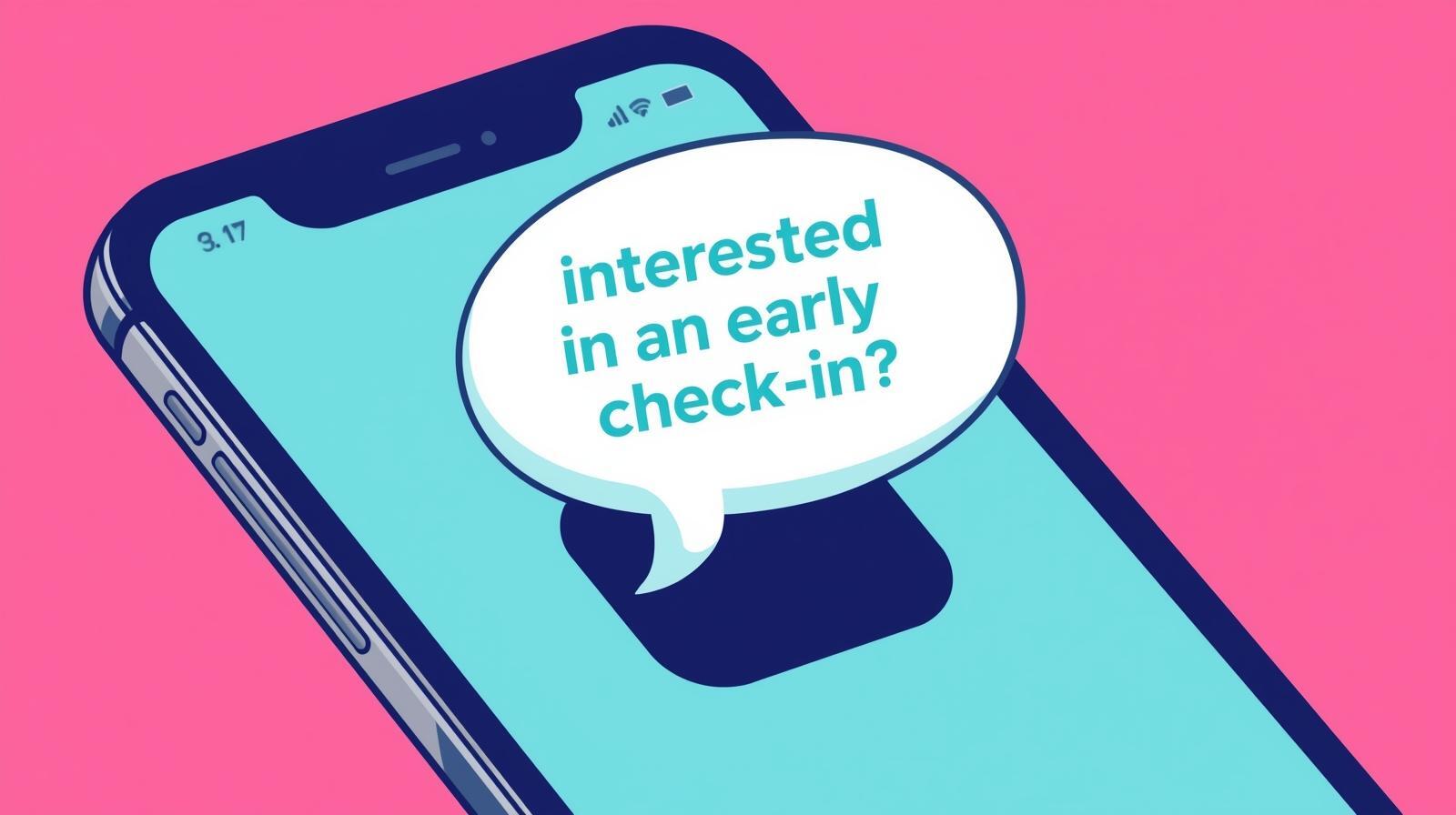
This is the highest-leverage window. A guest who feels prepared and welcomed before they arrive is already primed for a 5-star review. AI-powered systems can send contextually appropriate pre-arrival messages — property access details, neighborhood guides, parking notes — timed to the guest's actual arrival window rather than a fixed 24-hours-prior blast. Upsell offers for early check-in, welcome packages, and airport transfers convert best here.
Stage 2: During the Stay
Most STR operators are entirely passive during the guest's stay — reactive to complaints rather than proactive about experience. Hyper-personalization flips this. A mid-stay message on day two ("Anything we can help with for the rest of your trip?") sent at the right time generates goodwill and catches problems before they become reviews. A late-checkout offer on the evening before departure converts at dramatically higher rates than one sent at check-in.
Stage 3: Departure and Review
The timing and tone of a review request is one of the most underoptimized levers in STR. AI review management systems identify the ideal window per guest — when they are still in the positive emotional state of a good trip — and personalize the request. Operators using optimized review request timing report meaningful improvements in both review volume and average score.
Stage 4: Post-Stay Re-Engagement
A guest who has stayed once is your highest-probability future booking. A personalized post-stay sequence — acknowledging their specific trip, offering a return discount, suggesting complementary properties — builds the kind of loyalty that reduces OTA dependency over time.
The Operational Reality: Can This Actually Scale?
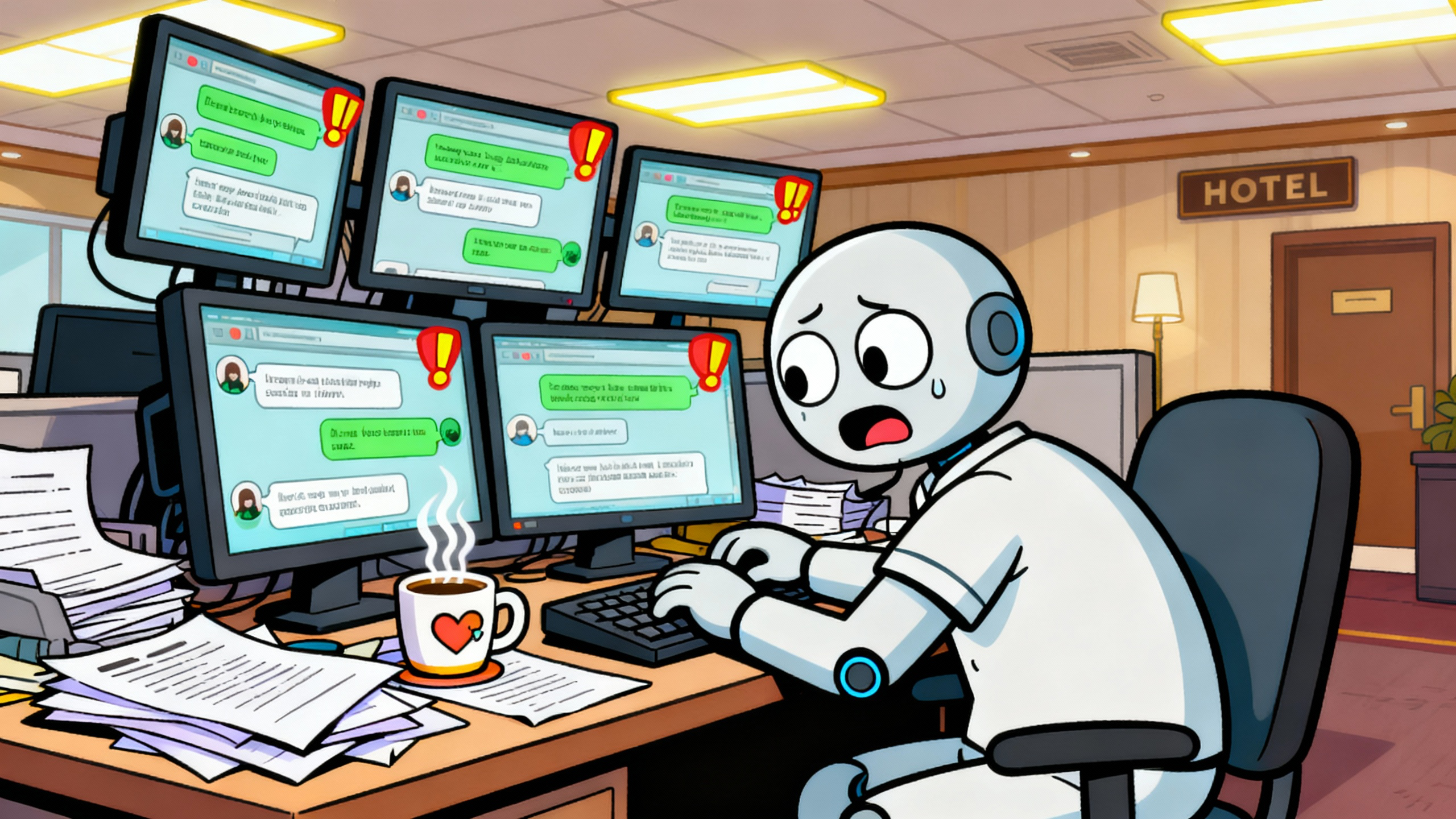
The honest answer, until recently, was no. Manual hyper-personalization across 50+ units and hundreds of annual bookings is not humanly possible at a price point that makes business sense.
AI has changed this calculation entirely. Networks of intelligent agents can now run personalized communication sequences, trigger contextual upsells, monitor guest satisfaction signals, and manage review requests across your entire portfolio — simultaneously, around the clock — without human initiation at each step.
The operators pulling ahead right now are not doing more work than their competitors. They are running better systems.
How Jurny Approaches Hyper-Personalization
Jurny's NIA (Network of Intelligent Agents) was built for exactly this challenge. NIA agents handle guest communication, upsell delivery, and service coordination autonomously — adapting to each guest's booking context, arrival timing, and behavioral signals. The system runs 24/7 across your portfolio, and every interaction generates data that makes future personalization sharper.
The goal is simple: every guest should feel like the property was prepared specifically for them — even when you're managing 150 units.
|
Frequently Asked Questions |
|
What is hyper-personalization in short-term rentals? Hyper-personalization in STR means using real-time data and AI to tailor every guest touchpoint — messaging timing, content, upsell offers, and service delivery — to the individual guest. It goes far beyond inserting a first name into a template; it means the system adapts based on who the guest is, when they're arriving, and what they're likely to need. |
|
How is hyper-personalization different from standard automated messaging? Standard automation sends the same message to every guest at the same time. Hyper-personalization sends contextually appropriate messages — timed to behavioral signals, shaped by booking context, and adapted to the individual. The same check-in message should not go to an anniversary couple and a solo business traveler at the same moment. |
|
Do I need a large portfolio to justify investing in personalization tools? No. Even operators with 10 to 20 units benefit significantly from AI-powered personalization — particularly for review optimization, upsell conversion, and repeat bookings. The ROI shows up at every scale, though the absolute dollar impact grows with portfolio size. |
|
What data do I need to start personalizing guest experiences? You're likely already sitting on more guest data than you realize. Booking details, arrival times, communication history, past stay records, and review scores all contain usable personalization signals. A well-configured AI system can extract actionable insights from the data your PMS is already collecting. |
|
What ROI should I expect from guest hyper-personalization? McKinsey data puts the revenue uplift from effective personalization at 10 to 30%. Specific to STR, operators using AI-powered upsell systems report 15% increases in ancillary revenue. The review score improvements — which directly impact OTA ranking and booking conversion — are often the fastest and most measurable return. |
See how Jurny's NIA agents automate hyper-personalization across your entire portfolio. Book a free demo.
Explore Jurny: