
Dynamic pricing is the practice of adjusting rental rates in real time based on supply and demand signals — booking pace, competitor availability, local events, seasonality, and proximity to the arrival date. In principle, it is simple: charge more when demand is high, charge less when demand is soft. In practice, executing it well across a portfolio of 15 or 20 properties requires data and automation that go beyond what any operator can manage manually.
The operators who master dynamic pricing do not necessarily have more complex strategies than their competitors. They have better data and better tools to act on that data consistently, across every property, every day.
Why Static Pricing Underperforms
Static pricing — setting a rate and leaving it — has two systematic failure modes. In high-demand periods, the static rate fills the calendar quickly but at rates that are below what the market would have supported. The operator achieves high occupancy but sacrifices revenue per night. In low-demand periods, the static rate sits above what guests will pay, producing vacancy — zero revenue for nights that could have generated something at a lower rate.
Dynamic pricing addresses both failure modes simultaneously. Rates rise when demand supports it, filling high-demand periods at maximum revenue. Rates soften as vacancy risk increases, filling the calendar rather than allowing nights to go dark. The net result is consistently higher revenue per available night compared to any static rate that tries to be competitive in both high and low demand environments.
The Data Inputs That Drive Good Dynamic Pricing
Booking Pace
Booking pace — how quickly a future date is filling relative to historical patterns at the same lead time — is the most direct signal of whether current rates are too high, too low, or about right. A date booking faster than historical pace suggests demand is strong and rates can be higher. A date booking slower than historical pace suggests rates may need to come down before vacancy risk becomes reality.
Competitive Rate Data
Your rate does not exist in isolation — it exists in a market where guests are comparing options. Understanding what comparable properties in your market are charging for the same dates, and how your rate positions relative to the competitive set, is essential context for any pricing decision. Jurny's revenue management integration pulls this competitive data automatically, giving you market positioning visibility without manual research.
Local Demand Signals
Events, conferences, holidays, and seasonal patterns create predictable demand spikes that should be priced into your calendar well in advance. A city with a major annual festival, a beach market with predictable summer peaks, a mountain property with ski season demand — these patterns are knowable and should be reflected in pricing strategies proactively rather than reactively.
Lead Time Rules
As a future date gets closer without booking, the calculus changes. A rate that is appropriate six weeks out may be too high two weeks out if the calendar is still open. Last-minute pricing rules that automatically reduce rates as unbooked nights approach help fill the calendar before dates go vacant, recovering revenue that would otherwise be lost entirely.
Implementing Dynamic Pricing in Practice
The practical implementation of dynamic pricing for most operators involves three components: a base rate that reflects the property's value positioning in the market, a set of seasonal adjustments that account for predictable demand patterns, and an automated pricing tool that handles the real-time adjustments based on live market data.
Jurny's revenue management integration handles the third component — the continuous, data-driven rate adjustments that would be impossible to execute manually across a multi-property portfolio. NIA (Network of Intelligent Agents) provides performance insights through the AI Copilot, giving operators an immediate view of how each property is tracking against revenue targets without requiring deep dives into analytics dashboards.
The Revenue Per Available Night Mindset
The most important shift that dynamic pricing requires is a change in success metrics. Operators who measure success primarily by occupancy rate will resist dynamic pricing because it sometimes produces lower occupancy — intentionally, when rates are held higher during peak periods. The correct metric is Revenue Per Available Night (RevPAN): total revenue divided by total available nights.
A property that achieves 75% occupancy at an average rate of $200/night generates more revenue per available night ($150) than one that achieves 90% occupancy at an average of $120/night ($108). Dynamic pricing optimizes for the former, not the latter.
The Upsell Revenue Layer
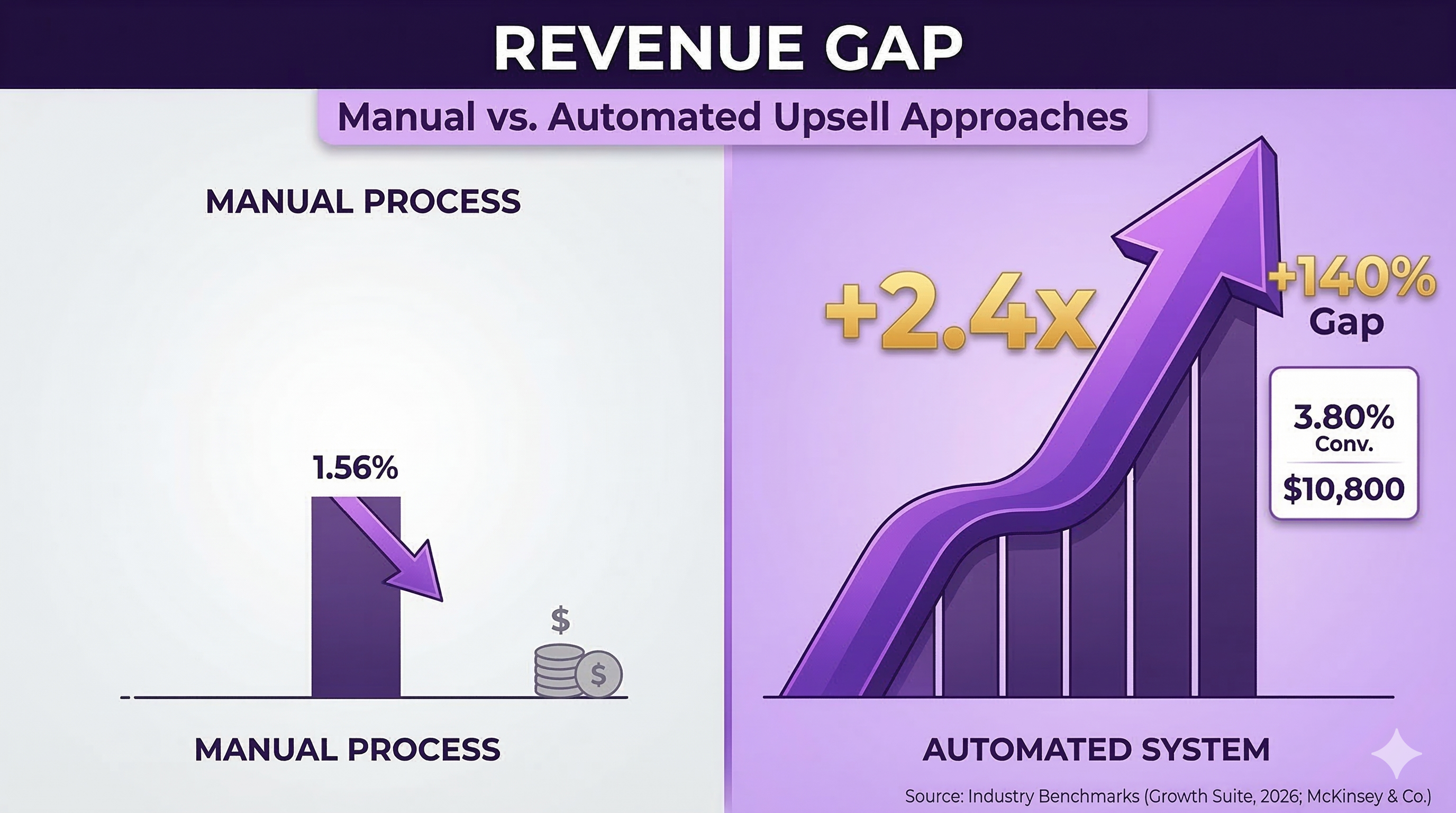
Dynamic pricing maximizes the base rate revenue from each booking. AI-powered upsells add an incremental revenue layer on top of that base rate — late checkouts, early check-ins, premium amenity packages, local experiences — delivered automatically at the right moment in each stay without any manual effort. The combination of optimized base rate pricing and systematic upsell revenue generation is the complete revenue management picture.
If you want to see how Jurny's revenue management tools work in practice across a real portfolio, book a demo to see the platform in action.
Explore Jurny: