Guest lockouts are among the most damaging operational failures in short-term rental management — not because they happen frequently, but because of when they happen and what they cost when they do. A guest locked out at 11pm, after a long flight, on the first night of a vacation they have been planning for months, is not going to leave a neutral review. And the operator who has to make that call, find the solution, and manage the fallout is not going to have a good night either.
For operators managing fifteen or more properties, lockouts are not random bad luck. They are a predictable outcome of specific system failures: access codes that were not updated between guests, smart lock batteries that died without warning, code delivery that did not reach the right channel, or check-in instructions that referenced the wrong property. Each of these is preventable. None of them prevent themselves.
The Access Control Problem at Scale
At five properties, access management is manageable with effort. You know each property's lock system, you manually rotate codes between guests, you send check-in instructions that include the current code, and you are available to troubleshoot if something goes wrong. At fifteen properties, the manual overhead of this system starts to crack. At thirty, it is a full-time operational task that still produces errors.
The specific failure modes that scale badly:
Code Rotation
At small scale, manually generating and distributing a new access code for each guest check-in is time-consuming but manageable. At scale, it is a process that has to happen dozens of times per week, across multiple property management systems and guest communication channels, without a single error. Manual code rotation at scale is not a question of whether you will send a guest the wrong code — it is a question of when.
Battery Management
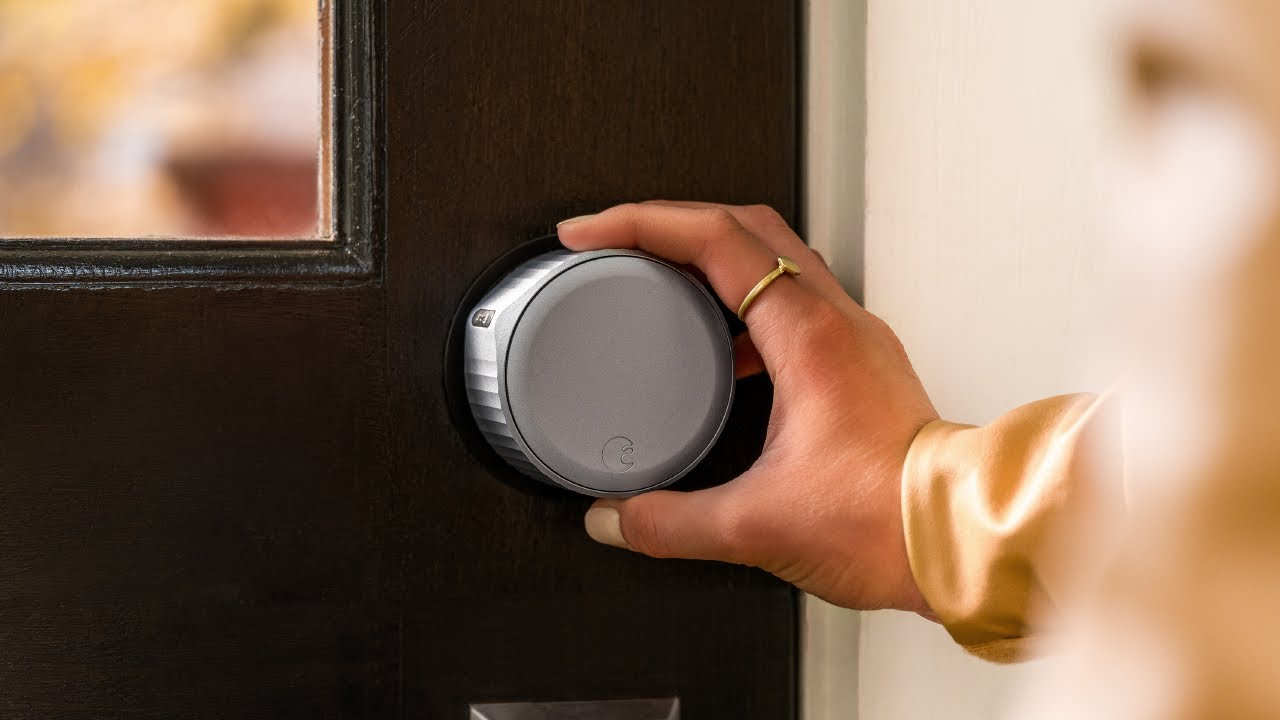
Smart lock batteries fail without warning under manual management. A lock that was fully charged a month ago may be critical by check-in day. At fifteen properties, checking battery status manually is possible. At thirty, it is not. Without automated battery monitoring and proactive notification, battery-related lockouts are an inevitable operational cost.
Multi-Channel Code Distribution
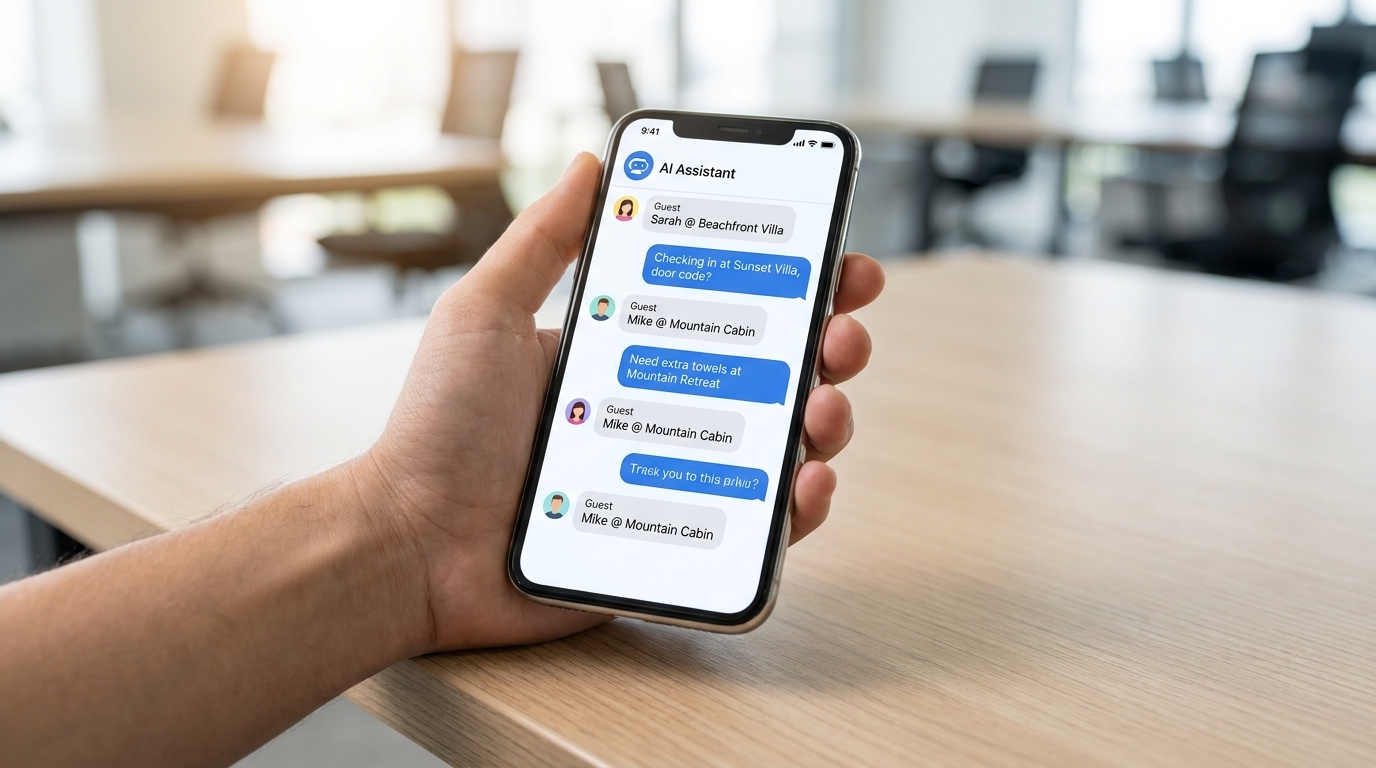
Guests book through different channels — Airbnb, Vrbo, Booking.com, direct. Each channel has different messaging infrastructure. Ensuring that the correct, current access code reaches the right guest through the right channel, at the right time, requires either manual coordination across all channels or a system that handles it automatically.
What Integrated Access Control Looks Like
The access control setup that scales to thirty and fifty properties without the failure modes above has three components working together:
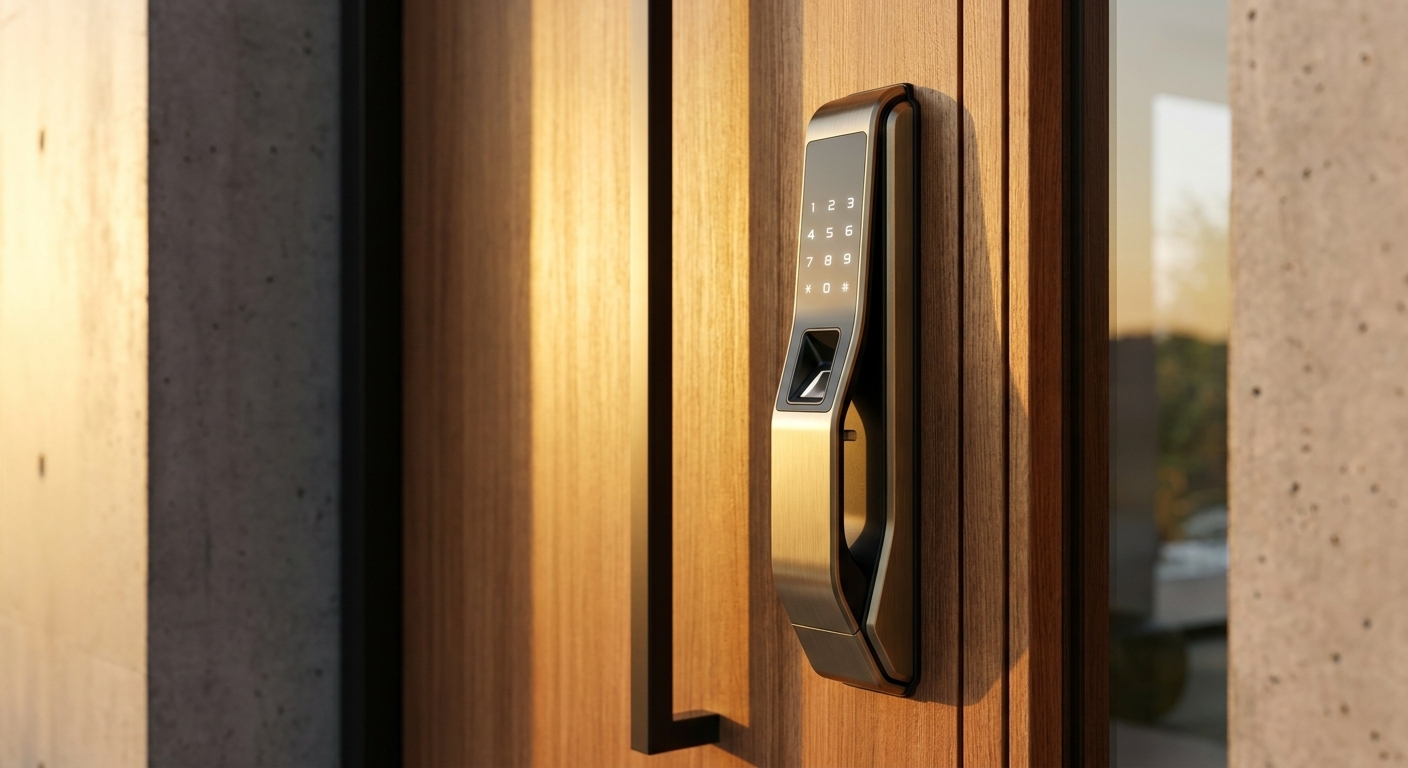
First, the smart lock system is directly integrated with the reservation system — not connected through a third-party tool, but native to the platform. When a reservation is confirmed, the access code is generated automatically for the guest's stay window. When the reservation ends, the code is deactivated. No manual step, no window where a previous guest's code still works.
Second, battery status is monitored automatically, with alerts triggering at a threshold that gives maintenance teams time to respond before a guest arrival. The property care workflow handles battery replacement as a scheduled maintenance item, not an emergency response.
Third, access code delivery is integrated with the guest communication workflow. The right code reaches the right guest through the right channel at the right time — as part of the automated check-in sequence, not as a separate manual step. If the delivery fails for any reason, the system flags it for human follow-up before the guest arrives.
Jurny's access control integration connects lock management directly to the reservation and guest communication layer — so that code generation, distribution, and deactivation happen automatically as part of the booking workflow. Book a demo to see how access management works across a portfolio your size.
Explore Jurny: