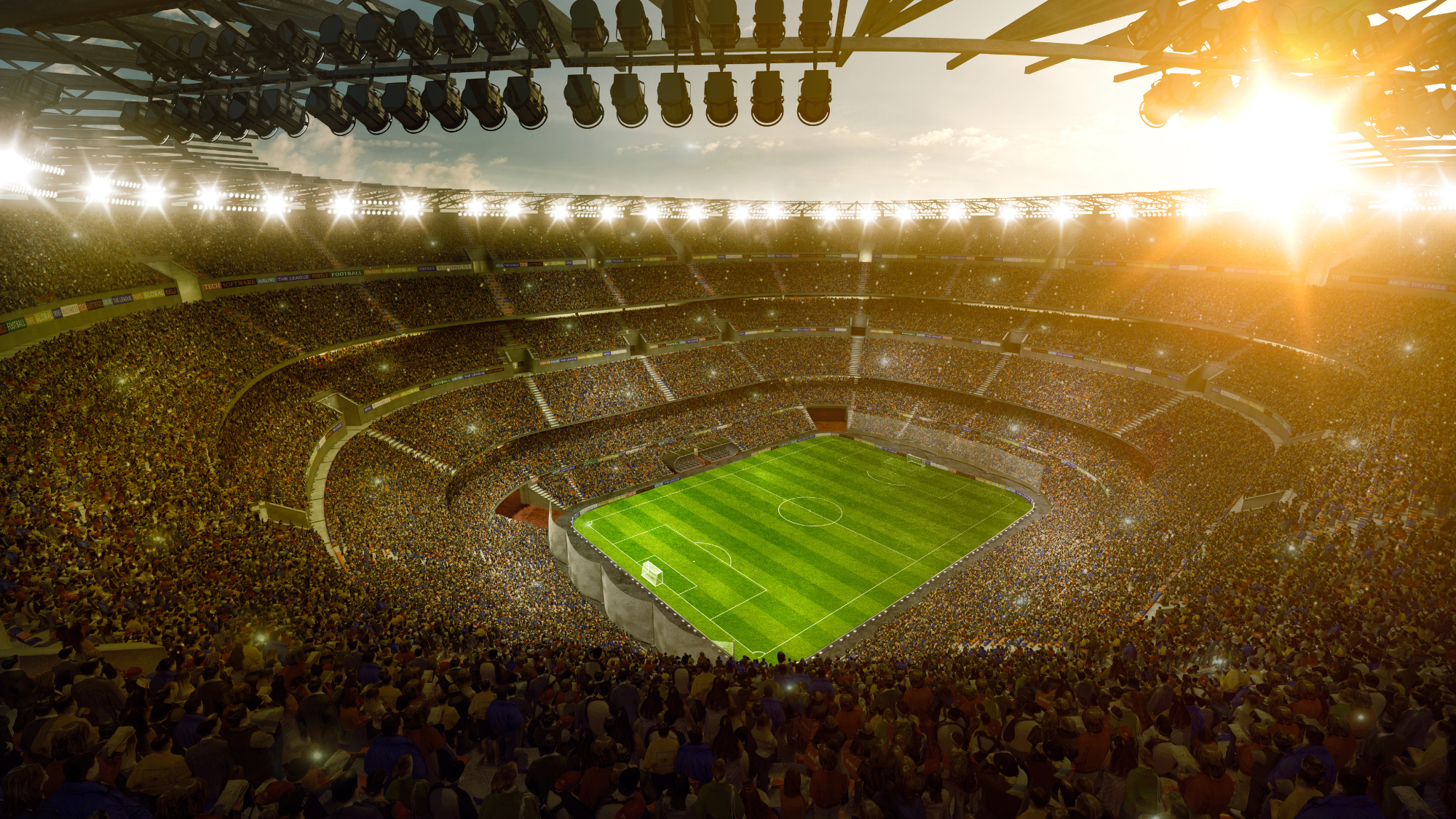
The biggest sporting event on the planet is coming to North America in June 2026 — and it's already reshaping the short-term rental market in ways most property managers aren't prepared for.
According to AirDNA data, bookings in Dallas and Fort Worth are up 300–700% year-over-year for World Cup match dates. Guadalajara — one of the three Mexican host cities — is tracking a staggering 1,500% YoY booking increase. In Seattle, Kansas City, Miami, New York, Los Angeles, Philadelphia, and Boston, demand is climbing fast. And the tournament doesn't kick off until June 11, 2026.
The window to capture peak revenue is roughly 10 weeks away.
|
TL;DR: FIFA World Cup 2026 is creating record short-term rental demand across 16 US, Canadian, and Mexican host cities. Demand in Dallas/Fort Worth is up 300–700% YoY. To maximize revenue, STR operators need a strategy covering dynamic pricing, compliance, guest experience, and automation — before match dates sell out. |
Why the World Cup Is Unlike Any Other Demand Event
STR operators deal with demand spikes all the time — concerts, festivals, conferences. But FIFA World Cup 2026 is categorically different. Here's why:
Scale: 48 Teams, 16 Host Cities, 104 Games
The 2026 tournament is the first-ever expanded 48-team World Cup, spread across three countries: the United States (11 cities), Mexico (3 cities), and Canada (2 cities). Over 5 million fans are expected to attend. Global television audiences will exceed 5 billion. Every host city will see wave after wave of international arrivals across the group stage (June 11 – July 2) and knockout rounds (July 4 – July 19).
Lead Time Is Already Compressing
AirDNA data shows group stage demand is already up more than 200% YoY across host cities — months before the first match. Rotman data reported a 160% spike in Airbnb searches immediately after the official draw was announced. Properties booked early will command premium pricing. Properties that wait to optimize will miss the peak.
International Guests Have Different Needs
Fans traveling from Brazil, Argentina, Germany, Spain, France, and across Africa and Asia have different check-in expectations, language requirements, and local knowledge needs compared to domestic travelers. Your guest communication, house manual, and upsell strategy need to reflect this.
The 7 Host City Tiers and What They Mean for Pricing
Not all host cities are created equal. Your pricing strategy should reflect your city's match schedule, stadium capacity, and accommodation supply.
Tier 1 — Final & Semi-Final Host Cities (Maximum Demand)
MetLife Stadium (New York/New Jersey) is hosting the final. AT&T Stadium (Dallas) hosts multiple high-profile matches. These markets will see the longest booking windows and highest ADR premiums. AirDNA data shows Dallas/Fort Worth up 500–700% YoY for final week dates.
Tier 2 — Group Stage Heavy Cities (High Volume, Earlier Dates)
Los Angeles (SoFi Stadium), Miami (Hard Rock Stadium), Seattle (Lumen Field), Boston (Gillette Stadium), Kansas City (Arrowhead Stadium), and Philadelphia (Lincoln Financial Field) each host 5-6 group stage and Round of 32 matches. These markets will see demand peak earlier — June bookings are already filling fast.
Tier 3 — Canadian and Mexican Cities (International Overflow)
Toronto (BMO Field), Vancouver (BC Place), Mexico City (Estadio Azteca), Guadalajara (Estadio Akron), and Monterrey (Estadio BBVA) are seeing explosive international demand. Guadalajara is already tracking 1,500% YoY growth (AirDNA). For operators in these markets with cross-border properties, this is a standout opportunity.
Your 7-Step World Cup Revenue Playbook
Step 1: Audit Your Calendar Now
Open your booking calendar for June 11 – July 19, 2026. Block out match dates for your host city using the official FIFA schedule. Identify which dates are highest demand (final, semi-finals, local team group matches). These dates command 3-5x your standard ADR.
Step 2: Set World Cup Minimum Stays
For match weeks, set minimum stays of 3-5 nights. Fans book around match days and often want the night before and the day after. A 2-night minimum will leave money on the table. A 5-7 night minimum for Final Week in Dallas/New York will maximize revenue per booking.
Step 3: Reprice for World Cup Demand — But Do It Strategically
Dynamic pricing tools should be calibrated to World Cup demand signals. Start with a 2-3x ADR floor for group stage matches in your city. Move to 4-6x for semi-final and final weeks. Monitor competitor pricing weekly. Do not set-and-forget — World Cup pricing is fluid as teams advance and travel patterns shift.
Step 4: Prepare Your Listing for International Guests
Update your listing descriptions to highlight proximity to stadium, public transit routes, and parking. Add your check-in instructions in multiple languages if possible — at minimum Spanish and English, and ideally Portuguese (Brazil is always a contender). Add a "World Cup Welcome" section to your house manual.
Step 5: Create World Cup Upsell Packages
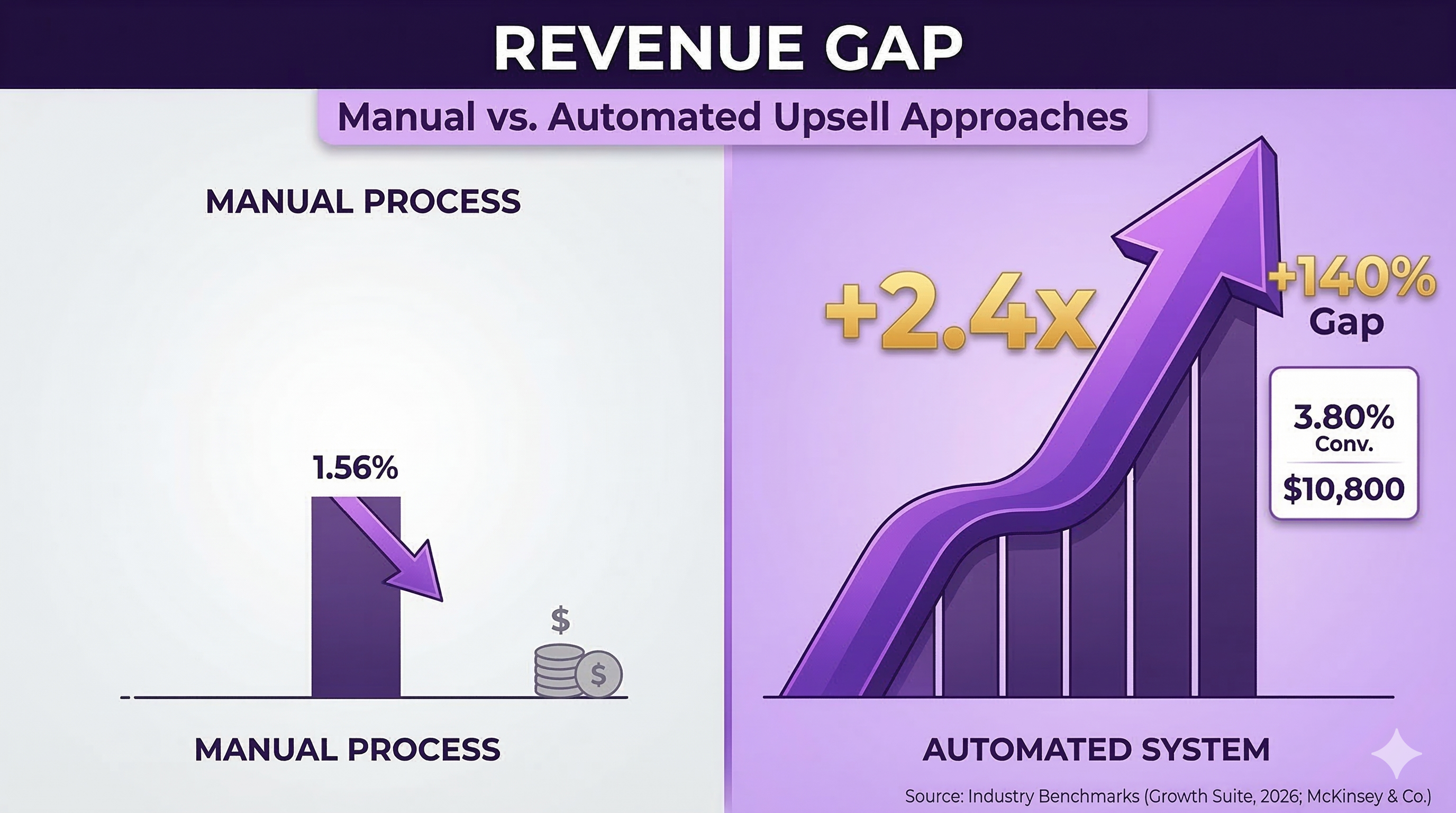
This is where operators who use AI-powered upsell systems will outperform manual operators significantly. Consider:
- Fan welcome kit: Local food, match program, stadium map
- Transportation packages: Pre-booked rideshare or shuttle service to stadium
- Early check-in / late check-out (premium pricing for match-day flexibility)
- Mid-stay cleaning between match days
- Local restaurant and bar guide curated for the fan experience
Step 6: Handle Compliance Before Enforcement Finds You
Multiple World Cup host cities are ramping up STR enforcement ahead of the tournament. New York City in particular has strict Local Law 18 registration requirements. Dallas, Miami, and other cities have nuanced permit and tax requirements. Get your registrations, permits, and tax remittances in order now — a compliance violation during peak demand could result in delistings and fines at exactly the wrong moment.
Step 7: Automate Your Guest Communication
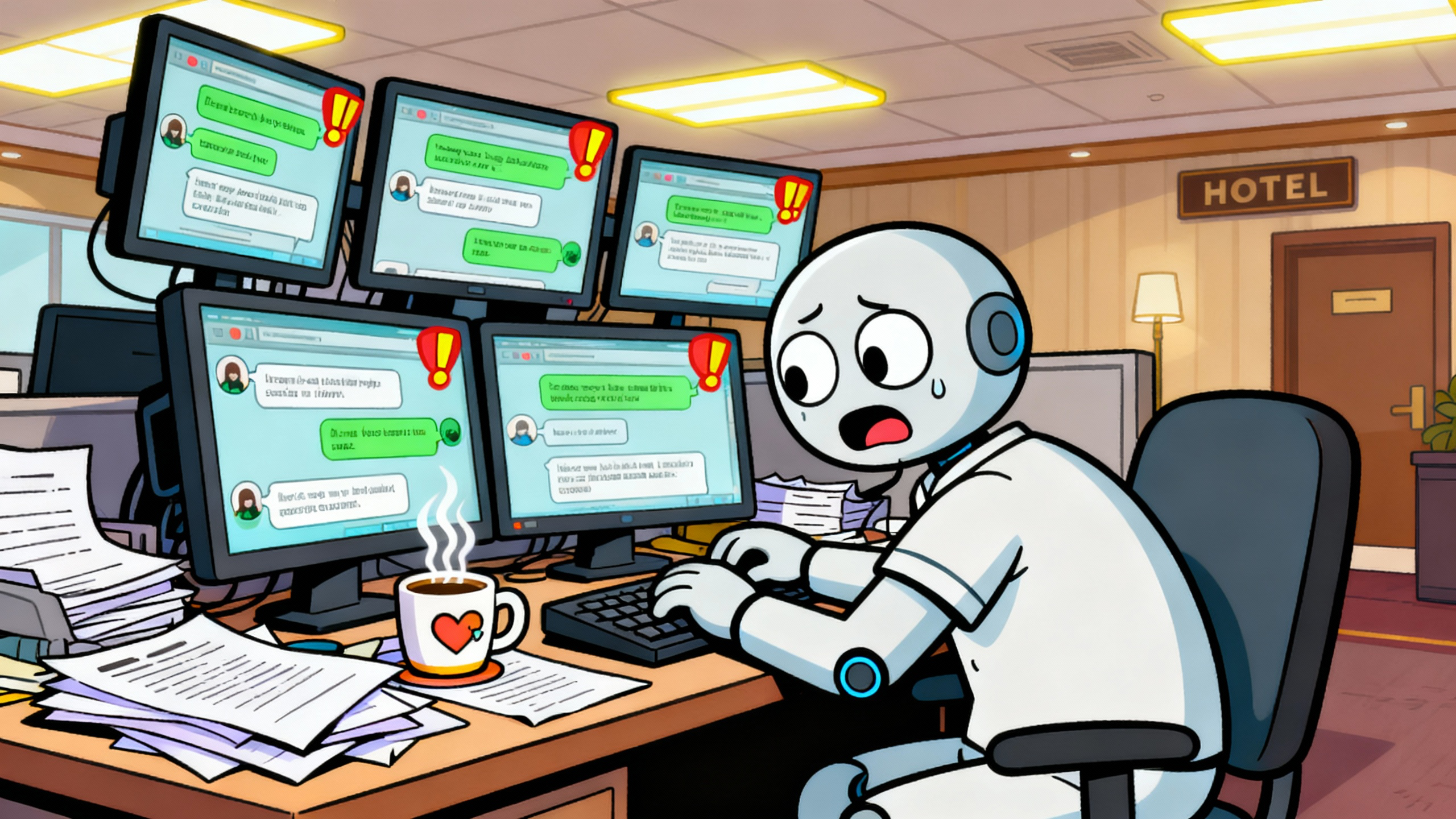
You will receive international guests who message at all hours, in multiple languages, with time-sensitive questions about stadium access, transportation, and local recommendations. Manual response is not viable for this volume. Set up automated responses that handle the most common international guest inquiries before you're overwhelmed.
What World Cup Guests Are Looking For
Based on fan travel patterns from previous World Cups and data from the tourism industry, international fans prioritize:
- Proximity to the stadium or reliable public transit (typically the #1 booking driver)
- Easy, contactless check-in ��� fans often arrive late after flights or pre-match events
- Fast, accurate answers to local questions (public transit, food, fan zones)
- Flexibility on check-in/out times around match schedules
- Clean, well-stocked properties — shared accommodations for groups of 4-8 are especially in demand
Properties that proactively address these needs in their listing copy and guest communications will see higher conversion, better reviews, and repeat bookings from international travelers who return for future events.
How Jurny Powers Your World Cup Strategy
The World Cup window creates an operational pressure test. You'll need to manage higher booking volume, more complex guest communication, and more time-sensitive pricing — simultaneously. This is exactly the scenario Jurny and NIA were built for.
- AI-Powered Upsells: NIA can automatically trigger World Cup packages (fan kits, early check-in, transportation) based on booking behavior — no manual outreach needed
- Automated Guest Messaging: NIA handles international guest inquiries 24/7, drawing on your NIA Collections and FAQs to answer questions accurately in any time zone
- Dynamic Pricing Tools: Set World Cup pricing rules and let Jurny's dynamic pricing module optimize within your defined parameters as match schedules and team results shift
- Direct Booking Website: Drive fans directly to your booking engine with World Cup-optimized landing content — and avoid OTA fees on peak-demand dates
Frequently Asked Questions
When should I update my pricing for World Cup 2026 dates?
Now. AirDNA data shows demand is already accelerating months ahead of the tournament. Properties that set World Cup pricing early capture the first wave of international bookings, which tend to be the highest-value reservations. The closer to match dates, last-minute bookings still happen, but early-bird pricing at 3-5x standard ADR is achievable if you act before your competitive set catches up.
Which World Cup host cities have the highest STR demand?
Based on current AirDNA booking data, Dallas/Fort Worth (hosting the final and multiple matches) and Guadalajara (extreme international demand, 1,500% YoY) are tracking the highest demand surges. New York/New Jersey (final host), Los Angeles, and Miami are also seeing major YoY booking acceleration. Kansas City is tracking the strongest year-over-year US growth among Tier 2 cities.
Do I need special permits to host World Cup travelers?
This depends on your city. New York, Los Angeles, Miami, and other major markets have specific STR registration and permit requirements that apply to all short-term rentals — World Cup or otherwise. Some cities are increasing enforcement ahead of the tournament. Check your local STR ordinance and ensure your registration is current before peak dates. Operating without required permits during World Cup could result in fines or delistings at exactly the moment demand is highest.
How do I handle guests who speak different languages?
At minimum, ensure your listing descriptions, house rules, and check-in instructions are available in English and Spanish. For properties in cities with high Brazilian fan concentrations (Miami, Dallas), consider Portuguese summaries. AI-powered messaging tools like Jurny's NIA can help by drawing on multilingual property information to respond to international guests accurately and promptly.
What's the biggest mistake STR hosts make during major events?
Under-pricing early and not setting minimum stay requirements. Hosts who don't update their pricing strategy for high-demand dates often end up selling out at standard rates, locking in weeks of peak demand at below-market ADRs. Set event-specific minimum stays (3-7 nights), price aggressively for the highest-demand dates (finals, semi-finals), and leave later dates flexible for last-minute premium bookings.
Don't Miss the Biggest Revenue Window of 2026
The FIFA World Cup 2026 is a once-in-a-generation event for STR hosts in North American host cities. The operators who prepare now — pricing, listings, compliance, automation — will capture disproportionate revenue from the largest sporting event on the planet.
Ready to optimize your portfolio for World Cup 2026? Book a free Jurny demo
Explore Jurny: