
The Most Expensive Problems in Property Management Are the Ones You Can’t See
Most property managers don’t think their PMS is broken.
They think:
-
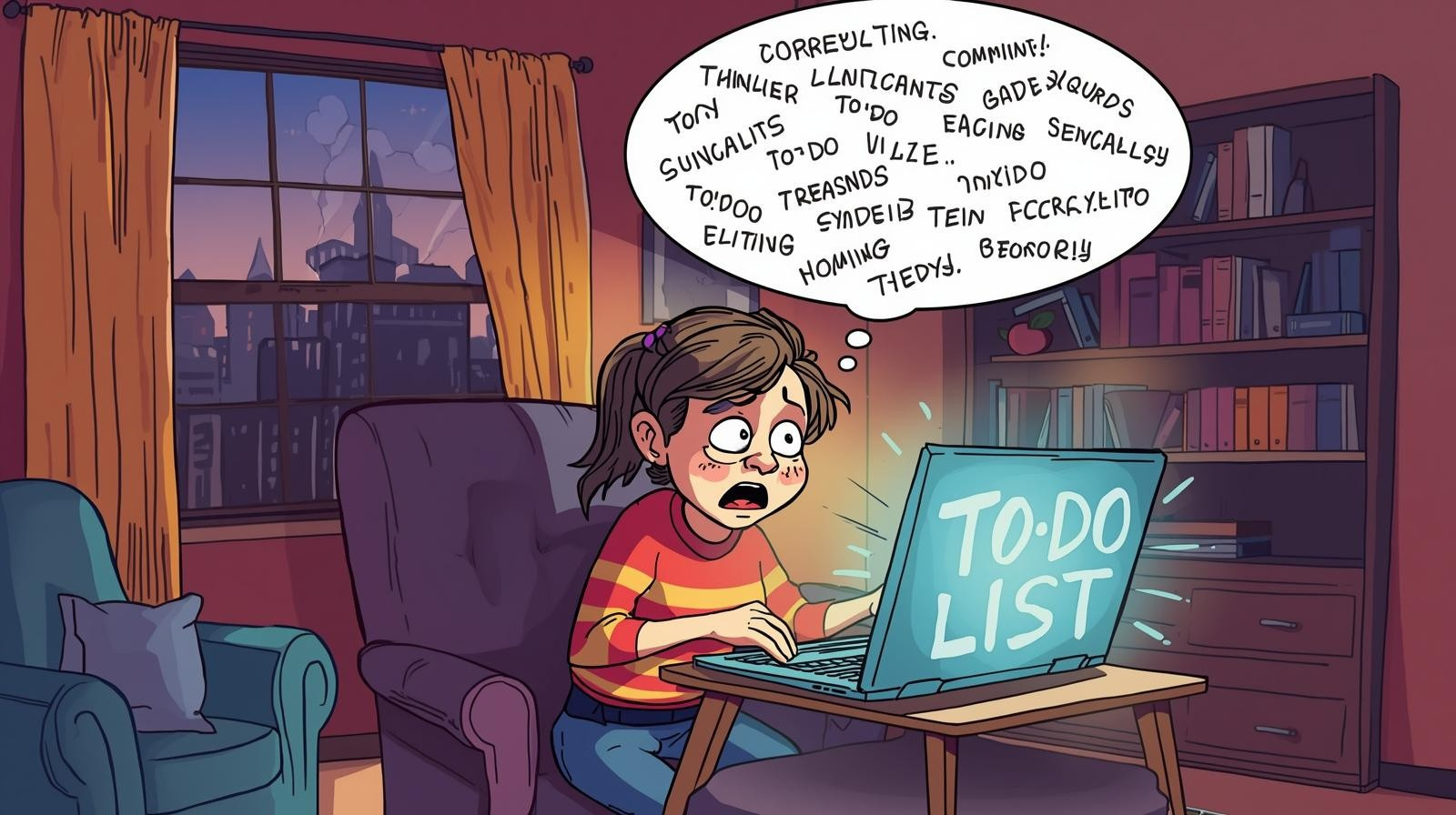
“Why does everything still feel manual?”
-
“Why are guests messaging us so often?”
-
“Why do small issues keep slipping through?”
The answer is rarely staffing or effort.
It’s broken integrations.
Traditional PMS platforms were built to store information, not to coordinate action. When systems don’t communicate in real time—or worse, don’t trigger action at all—revenue leaks out quietly and continuously.
What “Broken Integrations” Really Mean
Broken integrations don’t always mean tools aren’t connected.
They mean:
-
Data moves, but actions don’t follow
-
One system updates while others lag
-
Teams bridge gaps manually
-
Decisions are delayed or missed entirely
Messaging, pricing, housekeeping, reviews, and analytics may all exist—but without orchestration, they operate in silos.
Modern hospitality doesn’t fail from lack of tools.
It fails when tools don’t work together as a system.
How Broken Integrations Cost Revenue (Without Showing Up on a Report)
The revenue impact is indirect—but real.
Broken integrations lead to:
-
Missed early check-in and late checkout upsells
-
Slower response times that reduce conversion
-
Gaps between bookings due to delayed rule enforcement
-
Inconsistent guest communication that lowers review scores
Each issue feels minor.
Across hundreds or thousands of stays, it compounds.
This is why property managers feel busy—but not profitable.
Why Guest Experience Suffers First
Guests never see your tech stack.
They experience the outcome.
Broken integrations create:
-
Messages that arrive too late or out of context
-
Instructions that don’t reflect actual readiness
-
Issues that require follow-ups instead of resolution
-
Inconsistent tone across the stay
Guests don’t think, “Their PMS integrations failed.”
They think, “This stay felt disorganized.”
That perception directly impacts reviews, rankings, and repeat bookings.
Why Traditional PMS Platforms Break at Scale
Most legacy PMS platforms rely on point-to-point integrations:
-
Messaging connects here
-
Pricing connects there
-
Housekeeping somewhere else
There’s no intelligence coordinating what happens after data changes.
That means:
-
A reservation updates, but housekeeping isn’t adjusted
-
Pricing changes, but messaging doesn’t reflect it
-
Guest behavior shifts, but no workflow adapts
The PMS becomes a database—not an operating system.
Why Adding More Tools Makes the Problem Worse
When friction appears, many property managers add software:
-
Another automation layer
-
Another messaging plugin
-
Another dashboard
This increases complexity without fixing the root problem.
More tools without orchestration mean:
-
More handoffs
-
More edge cases
-
More manual oversight
Automation without coordination creates faster chaos, not better outcomes.
The Shift: From Integrated Tools to Orchestrated Systems
What modern property management requires is not more integrations—it’s intelligent orchestration.
This is where agentic AI changes the equation.
Instead of asking systems to “sync,” agentic systems:
-
Understand context across tools
-
Decide what needs to happen next
-
Execute actions automatically
-
Monitor outcomes and adapt
This turns integrations from passive connections into active workflows.
How Jurny Solves the Integration Problem at the System Level
Jurny isn’t another tool layered on top of a broken stack.
It functions as an agentic operating layer that:
-
Coordinates messaging, pricing, ops, and data
-
Turns signals into actions automatically
-
Ensures every system works toward the same outcome
When something changes in one area, Jurny ensures the right actions happen everywhere else—without property managers stitching workflows together manually.
That’s the difference between having integrations and having a system that runs.
The Result: Fewer Gaps, Better Outcomes
When integrations are orchestrated instead of siloed:
-
Guests receive timely, relevant communication
-
Upsells happen automatically when context is right
-
Issues are resolved before guests escalate
-
Teams stop chasing work and start overseeing outcomes
Property managers see:
-
91% less manual work
-
6× faster issue resolution
-
Higher guest satisfaction
-
More revenue per stay
Key Takeaways
-
Broken integrations quietly drain revenue and guest satisfaction
-
Traditional PMS platforms weren’t built to coordinate action
-
Guest experience suffers before problems become visible
-
Adding tools increases complexity without fixing orchestration
-
Agentic AI turns disconnected systems into outcome-driven operations
FAQs
What are broken PMS integrations?
They occur when systems technically connect but don’t trigger coordinated action across workflows.
How do broken integrations affect revenue?
They cause missed upsells, slower responses, inconsistent experiences, and lower conversion.
Why don’t traditional PMS platforms fix this?
They store data but lack intelligence to act on it across systems.
What does agentic AI change?
Agentic AI executes workflows automatically based on context, not static rules.
Is this only a problem for large portfolios?
No. Even small portfolios feel the impact as guest expectations rise.
Final Thought
The biggest risk in property management today isn’t bad software.
It’s software that doesn’t work together.
When systems don’t execute, property managers fill the gaps—and revenue slips through.
Ready to replace disconnected tools with outcomes?
Book a demo.
Explore Jurny: