A double booking is the kind of operational failure that stays with you. You have two sets of guests arriving at the same property on the same night. One of them has to be turned away — relocated at your expense, issued a full refund, and left with an experience they will describe to everyone they know. The platform posts a strike against your listing. And you spend the next three months wondering how it happened when you were so careful.
It happened because of a lag. A reservation came in on Airbnb at 2:14pm. Your channel manager synced at 2:22pm. In that eight-minute window, someone booked the same property on Vrbo. Both bookings confirmed. Both guests received welcome emails. And at some point between then and check-in day, you found out.
This is the channel management problem at its most acute. But it is not the only one, and for operators managing fifteen or more properties across multiple platforms, the stakes and the complexity are substantially higher than most channel management tools were originally designed to handle.
What Channel Management Actually Is
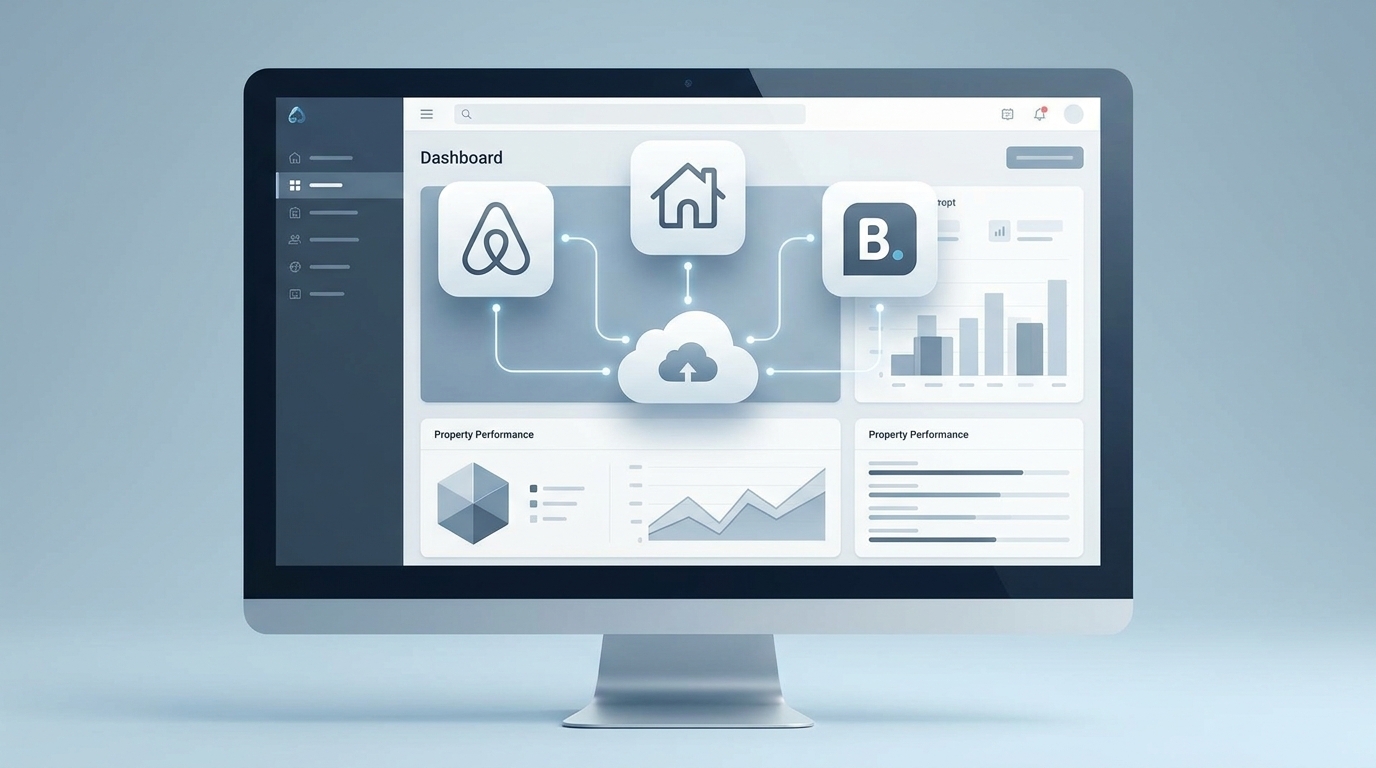
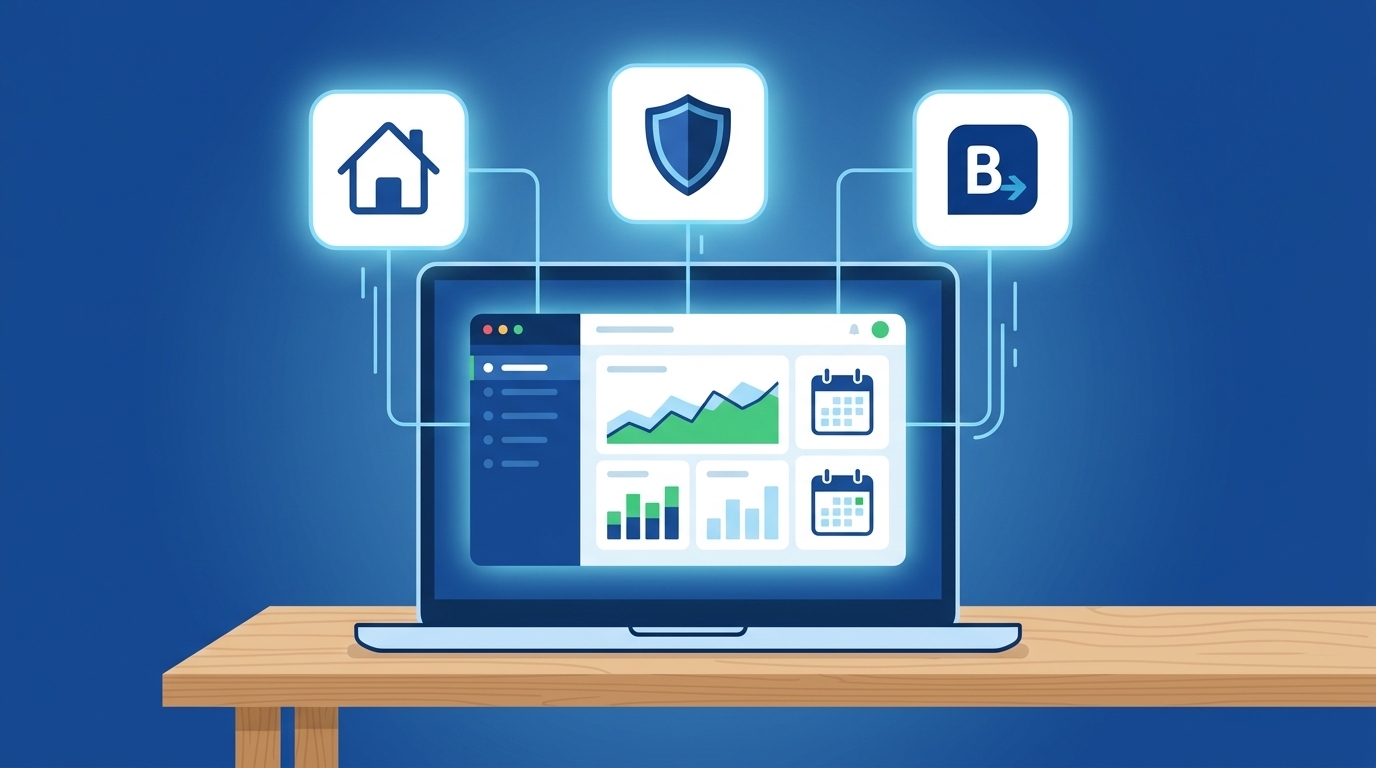
A channel manager is the software layer that connects your properties to the platforms where guests can book them — Airbnb, Vrbo, Booking.com, your direct booking site, and any others — and keeps availability, rates, and booking data synchronized across all of them in real time.
At its core, it does three things: it blocks availability on all other channels the moment a booking is confirmed on any one of them, it pushes rate changes to all connected channels when you update your pricing, and it pulls new reservations from all channels into your PMS so you have a single view of your bookings.
What it is not: a pricing tool, a guest messaging system, or a reporting platform. Those are separate functions that some channel managers bundle in, with varying results. Understanding that distinction matters when you are evaluating options, because a channel manager that is mediocre at channel synchronization but excellent at pricing is the wrong trade-off.
The 3 Channel Management Problems That Escalate at Scale
1. Sync Lag
The double booking scenario above is a sync lag problem. Most channel managers sync on a schedule — every few minutes, every fifteen minutes, or on a webhook trigger. For operators with high-demand properties in competitive markets, any lag creates a double booking window. The solution is a channel manager with true real-time synchronization — meaning the moment a reservation is confirmed, all other channels are blocked simultaneously, not after a delay.
2. Rate Update Propagation
When you update rates — for a weekend, an event, a seasonal adjustment — those changes need to reach all channels accurately and immediately. A rate that is correct on Airbnb but wrong on Vrbo for the same dates creates inconsistent pricing that either loses you revenue or creates guest expectation problems when they discover the discrepancy. At fifteen-plus properties with dynamic pricing running across four or five channels each, the number of rate updates happening daily is substantial. Manual errors compound quickly.
3. OTA Policy Differences
Each platform has its own rules around cancellation policies, house rules formatting, photo requirements, and fee structures. A channel manager that simply mirrors your settings across platforms without accounting for platform-specific requirements leads to listing compliance issues, suppressed rankings, and in some cases policy violations that affect your account standing. Operators with large portfolios across multiple markets often have different policies for different properties — all of which need to be managed correctly on every platform simultaneously.
How to Evaluate a Channel Manager: 7 Questions to Ask
When you are evaluating channel management options, the demo will always look clean and the sync will always appear instant. The questions that matter are the ones that reveal how the system performs under real conditions.
- What is your actual sync latency, in seconds, for availability updates on a live Airbnb booking? Ask for documentation, not a sales answer.
- How do you handle a sync failure? What happens if the connection to one channel drops mid-reservation?
- Can you manage different cancellation policies and pricing rules for different properties within the same account?
- How does your system handle Airbnb's instant book combined with Vrbo's request-to-book for the same property?
- What is your uptime record for the past 12 months, and how do you communicate outages?
- How does your channel manager connect to my PMS — native integration or API bridge?
- Can I see a live dashboard showing sync status for each channel across all my properties right now?
The answers to these questions will tell you more about real-world performance than any feature comparison sheet.
Standalone Channel Manager vs Native PMS Integration
There is an important architectural distinction that affects how well channel management works at scale: the difference between a standalone channel manager that connects to your PMS via API, and channel management built natively into your PMS.
A standalone channel manager is a separate product. It connects to your PMS through an API integration. This means every sync involves a two-step data transfer: from the channel to the channel manager, then from the channel manager to the PMS. Each step is a potential failure point, a potential lag, and a potential data inconsistency.
Channel management built natively into your PMS means there is no middle layer. A reservation comes in on Airbnb, it is in your PMS instantly because they are the same system. Availability blocks immediately across all channels because the channel manager is not a separate product waiting for a data push — it is the same product that just received the booking.
Jurny's channel management is built natively into the platform. When a booking comes in, availability blocks across all connected channels in real time — not after a sync interval, not after an API handshake. Because the channel manager and the PMS share the same data layer, the information is updated once and propagated everywhere simultaneously.
Rate Strategy Across Channels: How Operators with 15+ Properties Think About It
At fifteen-plus properties, rate management is not something you do manually. The combinations of properties, channels, dates, and demand signals are too many to optimize by hand. What you need is a pricing strategy that is defined once and executed automatically.
This means setting your minimum and maximum rates, your base pricing rules, your gap-fill parameters, and your event and seasonal adjustments — and letting dynamic pricing handle the daily and weekly variations from there. The revenue management layer connects to real-time demand signals and competitor pricing, adjusting rates across all channels automatically within the parameters you set.
The operators with the best revenue per available night at scale are not checking pricing dashboards daily. They set the rules, they audit the outcomes monthly, and they adjust the rules when the data suggests it. Their channel manager and pricing system do the rest.
Direct Bookings and Channel Management: How They Work Together
Channel management is often framed as a tool for OTA management. But for operators who are building toward a direct booking channel — which every serious operator at scale should be — channel management is equally important for the direct side.
Your direct booking site needs to be connected to the same availability layer as your OTA channels. A guest booking directly through your website should block the same availability on Airbnb as a guest booking through Airbnb. If it does not, you either risk double bookings from your own website or you start excluding your direct channel from the availability layer — which defeats the purpose of having one.
The operators generating meaningful direct booking revenue at scale are the ones who treat their direct channel as a first-class booking source in their channel management setup — not an afterthought.
For operators managing fifteen or more properties who want to see how native channel management performs under real conditions, book a demo with Jurny. Bring the double booking question. Bring the sync latency question. The answers are better experienced than described.
Explore Jurny:


.jpg)