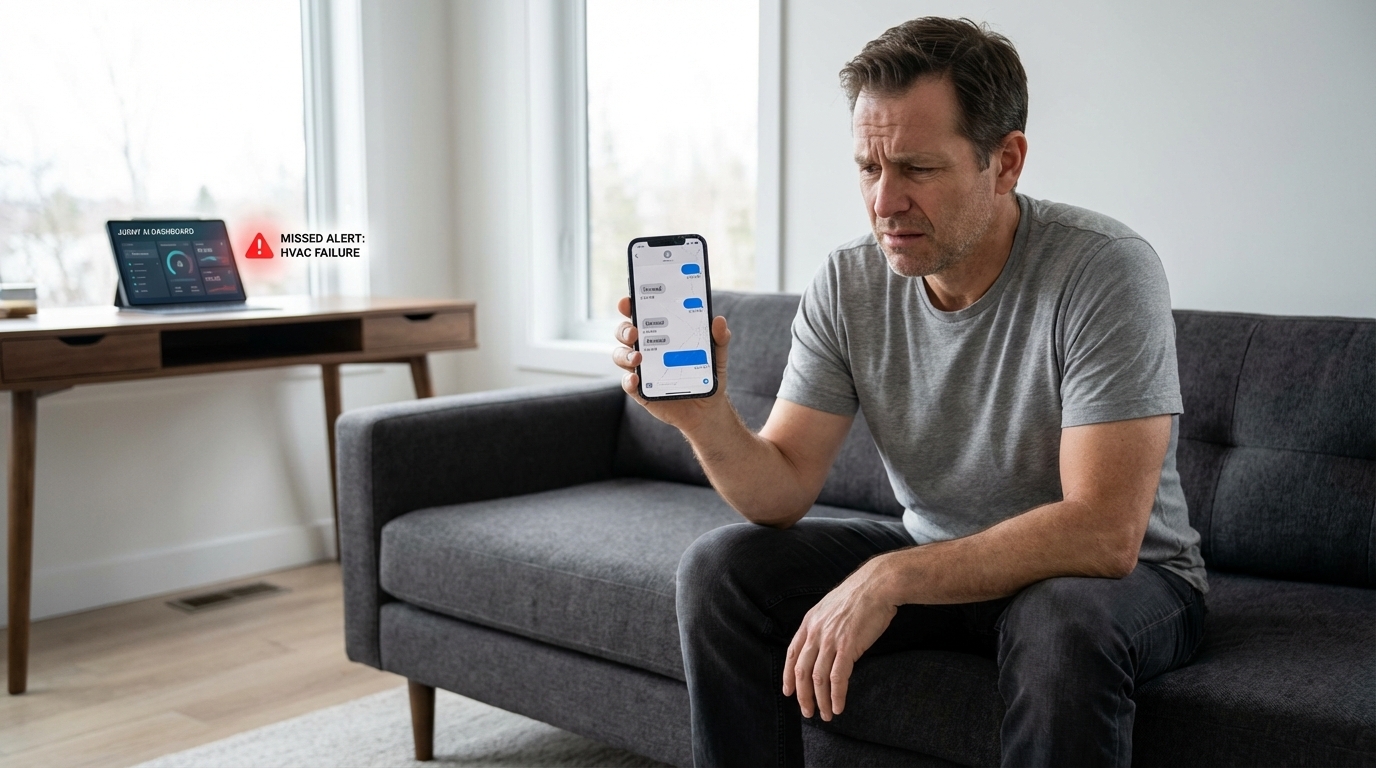
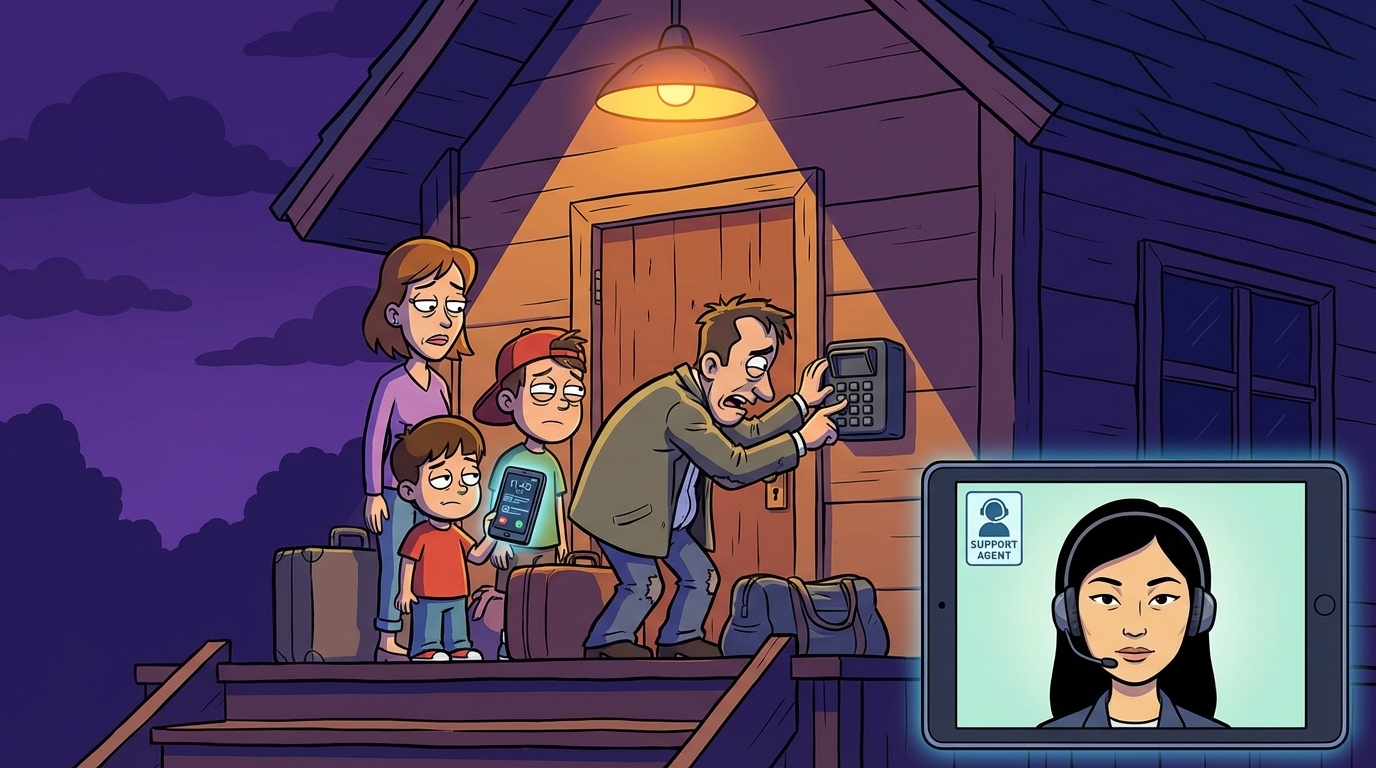
It is late. A family of four has just pulled up to your vacation rental after a six-hour drive. The kids are asleep in the car. They are tired, hungry, and they just want to get inside. The father walks to the lockbox. Enters the code. Nothing. He tries again. Nothing. He pulls out his phone and messages you: "Code is not working. What do we do?" You are asleep. Forty minutes go by. Meanwhile, he is standing in the dark with a tired family, opening Google to leave a review: "Could not get in to the property. Host did not respond." By the time you wake up and send the code, the stay is already a two-star.
TL;DR
The first 10 minutes at your property set the emotional tone for the entire stay. A check-in that goes wrong, especially late at night, primes guests to notice every flaw that follows. The review is not written at checkout. It is written at the door.
The Check-In Moment Is the Most Underrated Review Risk in STR
Check-in, check-out, and functional amenities are primary culprits behind negative reviews. On Airbnb specifically, check-in accuracy is a weighted metric that directly impacts your algorithmic visibility. A single low rating in the Accuracy category can drag down your overall performance score.
More troubling: guests who experience friction at check-in are primed to rate everything else more harshly. This psychological phenomenon is called negative anchoring. The first bad experience sets a negative baseline, and everything that follows is evaluated through that lens.
The 5 Check-In Failures That Reliably Trigger Bad Reviews
- Lockbox Code Does Not Work or Is Hard to Find: The most direct failure. The lockbox is dirty, obscured, or the code is wrong. It is the first test of whether you are competent. If you cannot get the door code right, what else did you mess up inside?
- Check-In Instructions Are Unclear or Missing: A guest arriving at 11pm does not have the bandwidth to parse your 800-word welcome message. They need three sentences: where the key is, how to access it, and who to call if it does not work.
- Late-Night Arrival with No Host Response: At 11pm, when your guest is standing in the dark, a 45-minute response time feels like abandonment. Your guest does not have the mental space to understand that you are human with a bedtime. They just know they are stuck outside.
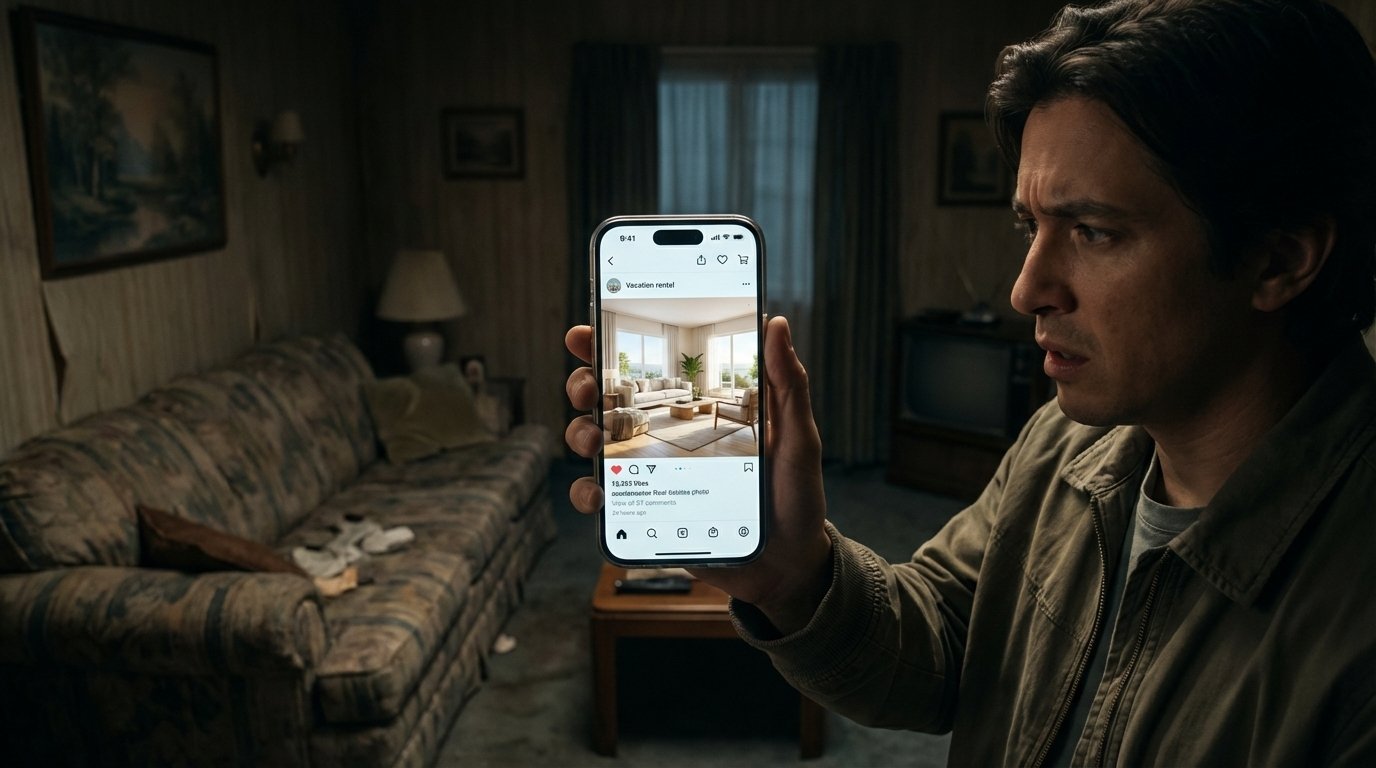
- Property Not Ready at Check-In Time: A guest arrives at the official check-in time and finds the cleaner still loading a vacuum into their car. This says: "I did not plan well enough to have this ready for you."
- Wrong Address or Confusing Parking Instructions: This is pure logistics failure. Guests will forgive a lot. They will not forgive feeling like they are in the wrong place.
Why Late-Night Check-Ins Are a Category of Their Own
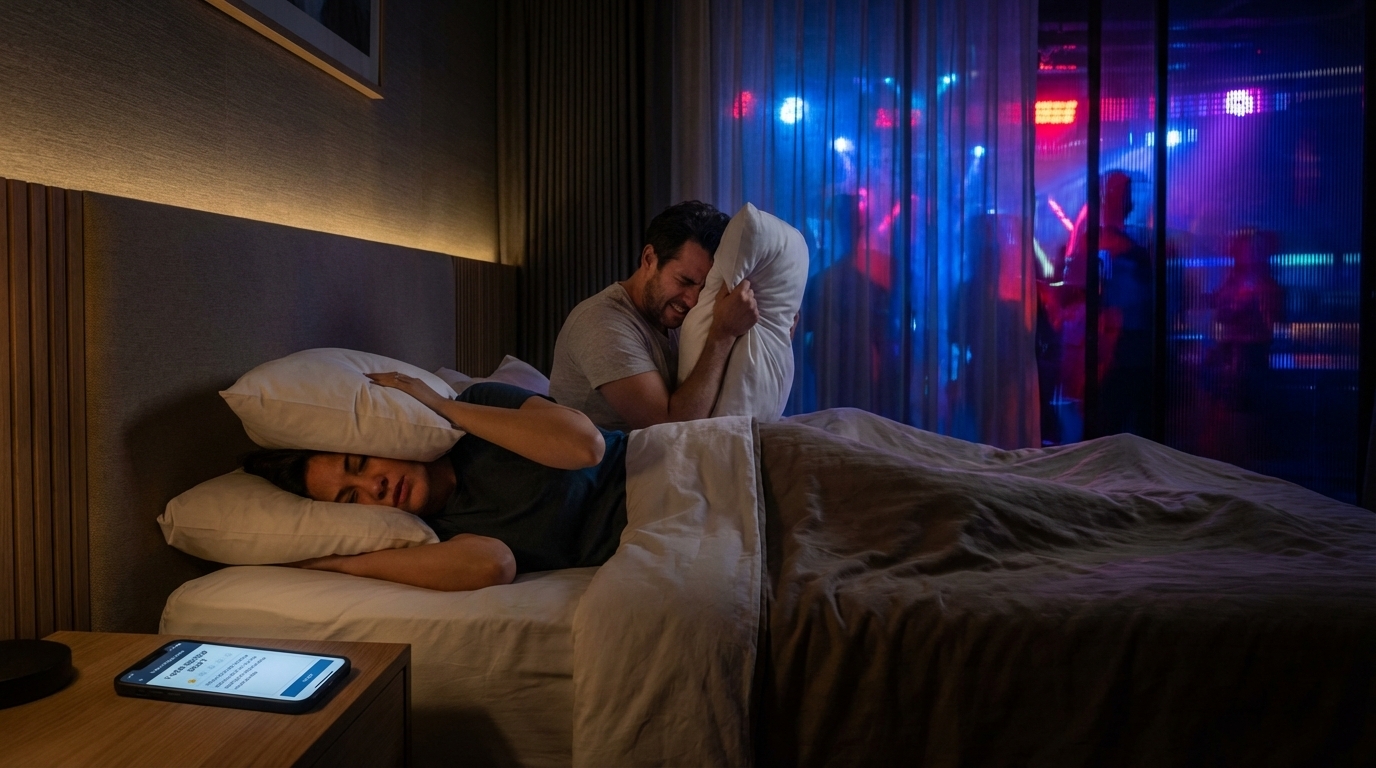
Sleep deprivation impairs decision-making and emotional regulation. Your guest has been awake for 14+ hours. They have driven 4+ hours. They have zero patience buffer left. A problem that would be a minor inconvenience at 3pm becomes a crisis at 11pm. Late arrivals also trigger a psychological shift: guests feel like they are imposing on you. They will wait longer before reaching out. By the time they do, they are already upset.
A Check-In System That Prevents the First-Impression Problem
Automated Pre-Arrival Messages (24 Hours and 2 Hours Before Check-In)
Send a message 24 hours before arrival confirming the booking and setting the arrival window. Then send a second message 2 hours before check-in: exact lockbox location, exact code, WiFi password, parking details. Make it scannable. Two hours gives guests time to ask clarifying questions before they are driving.
24/7 Guest Communication Coverage (AI or Human)
This is non-negotiable for late arrivals. If a guest messages at 11pm and does not get a response within 15 minutes, the experience becomes adversarial. An AI-powered guest concierge can acknowledge the message, confirm check-in details, and provide a direct escalation path within seconds.
Late Arrival Flag: Extra Check-In Confirmation for 9pm+ Arrivals
"We see you are arriving late tonight. Our team will be monitoring messages closely. Safe travels!" It costs nothing. It signals attentiveness. And it gives the guest permission to reach out without feeling like they are bothering you.
How Jurny Automates Check-In Communication So Nothing Falls Through
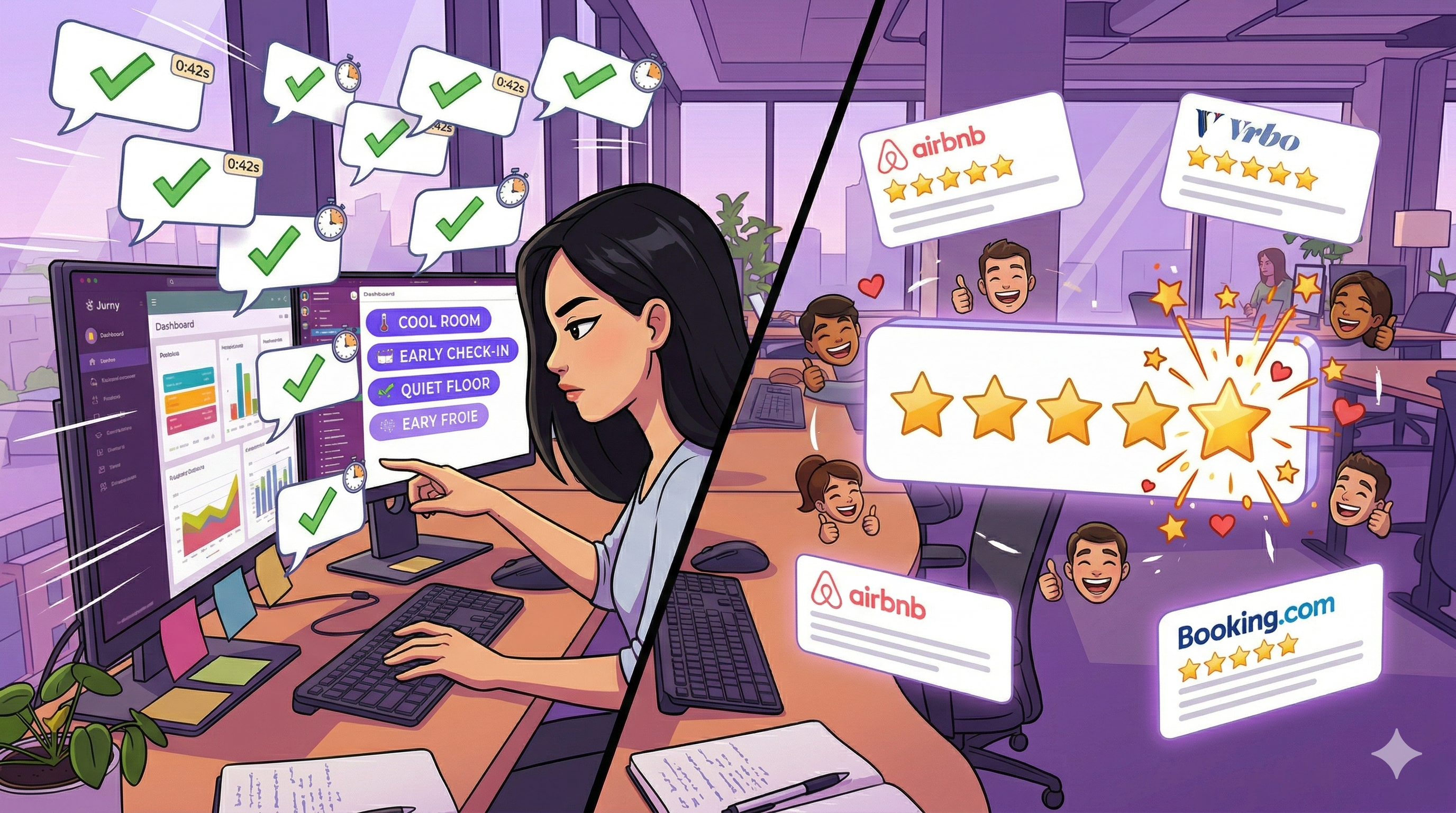
Jurny's platform automates the entire check-in communication sequence so that every guest gets the same reliable, proactive, personalized communication flow. NIA, Jurny's AI-powered guest concierge, is available 24/7 to acknowledge late arrivals, confirm check-in details, and escalate to you if there is an actual problem.
Frequently Asked Questions
What causes the most check-in complaints in vacation rentals?
Check-in issues, poor property maintenance, and inaccurate listing descriptions are primary drivers of negative reviews. Cleanliness still drives ~33% of guest complaints, but check-in and functional amenities account for a significant share of the remaining friction.
How do I handle a guest locked out at midnight?
First: respond within 5 minutes. A simple "I see your message; I am getting you the solution right now" takes 10 seconds and prevents escalation. Then: provide a working backup code or a contact for a locksmith. The cost of a hotel night is less than the cost of a one-star review.
What should my check-in instructions include?
First: exact location and access method with specific directions. Second: all codes and passwords (WiFi, lockbox, gate, alarm) in scannable format. Third: what to do if something does not work, including a phone number for immediate use.
Can AI handle late-night guest check-in issues?
AI can handle 70% of late-night check-in issues: confirming details, re-sending codes, providing directions, escalating to a human if needed. That acknowledgment alone prevents most of the emotional damage.
See how Jurny automates check-in communication so every guest arrival goes smoothly, at any hour. Book a free demo
Explore Jurny: