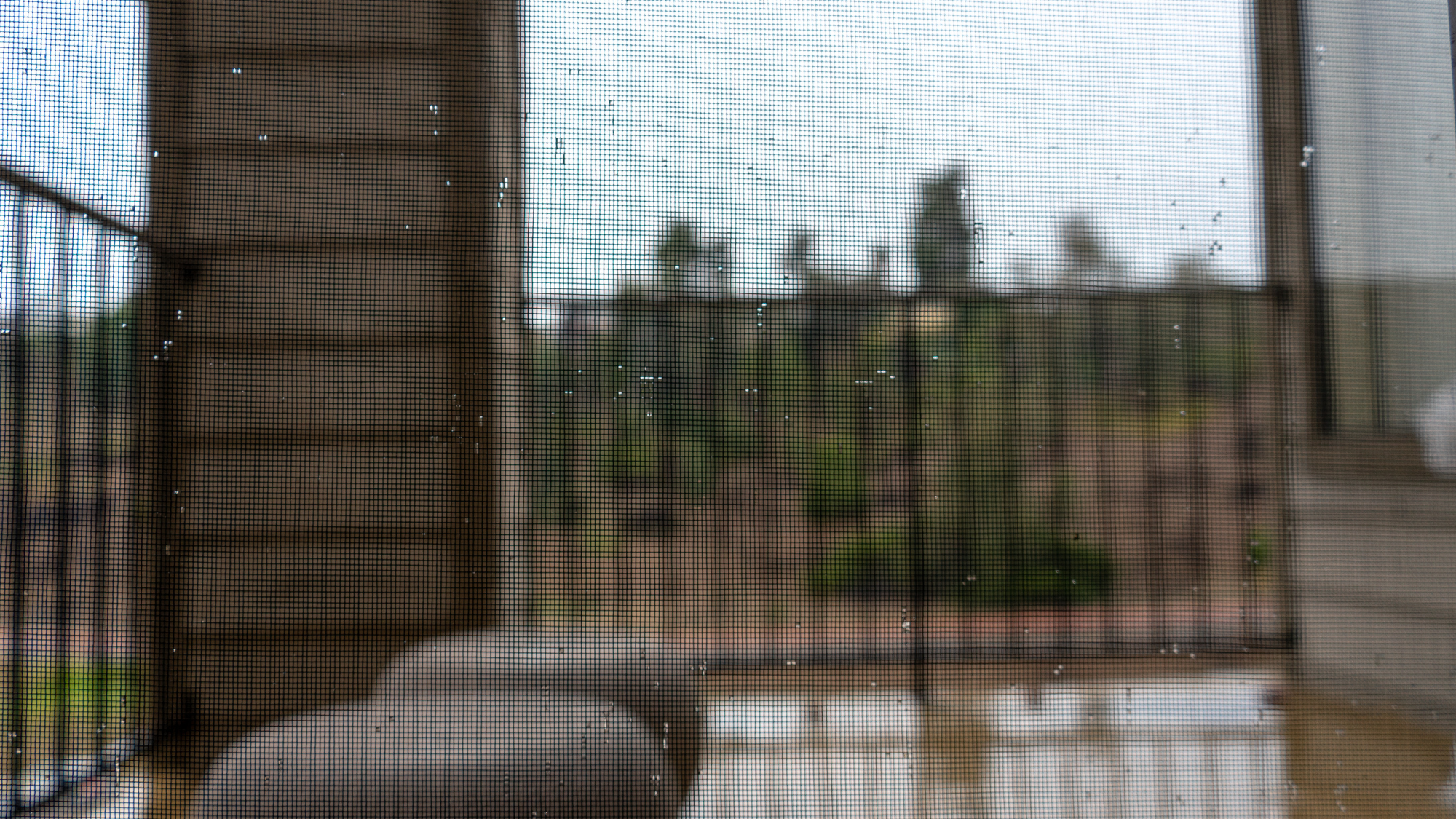
It's a rainy Saturday in February. Your guests aren't out at the beach or the pool — they're inside your property. For hours. And when people stop exploring and start inspecting, that's when the 1-star reviews get written.
It's a rainy Saturday in February. Your guests aren't out at the beach or the pool — they're inside your property. For hours. And when people stop exploring and start inspecting, that's when the 1-star reviews get written.
You didn't cause the rain. You can't control the cold snap or the overcast sky. But here's the hard truth most property managers don't realize until it's too late: bad weather doesn't cause bad vacation rental reviews — it exposes property weaknesses that were already there.
The pool heater nobody mentioned. The shower curtain with mold at the edge. The thermostat that sort of works. On a normal trip, none of that gets noticed. Guests are too busy having fun. But when they're stuck inside for 48 hours, every detail becomes a complaint — and every complaint becomes a star rating.
We know this because we ran the numbers. Jurny's AI review engine — NIA, our Network of Intelligent Agents — cross-referenced thousands of guest reviews with live meteorological data from those exact stay dates across active STR portfolios. The pattern was obvious in hindsight, and invisible until the data revealed it: rain isn't the problem. It's the amplifier.
QUICK ANSWER (TL;DR)
Bad weather doesn't cause bad vacation rental reviews — it reveals property problems that were already there. When guests are stuck inside, they notice every flaw: the dust, the broken heater, the pool amenities with hidden fees. This insight is backed by Jurny's proprietary AI review engine, which cross-referenced thousands of guest reviews with real-time meteorological data across active STR portfolios — and confirmed three repeating patterns operators need to know about.
The Hidden Link Between Rainy Days and Negative Reviews
A 2022 peer-reviewed study published in MDPI's Atmosphere journal by Zeiss, Graw, and Matzarakis attempted to measure whether bad weather directly leads to higher complaint rates among vacation rental guests — using chi-square testing across live weather and complaint data. While the study found insufficient evidence to confirm a statistically significant correlation on its own, the researchers noted that the dataset was limited and called for more comprehensive data to reach conclusive results. This is precisely the gap Jurny's NIA was built to fill: by cross-referencing thousands of proprietary guest reviews with live meteorological data across active STR portfolios, NIA surfaces the patterns that aggregate public data can't yet see.
This matters because 79% of consumers say they value online reviews as much as personal recommendations (BrightLocal, Local Consumer Review Survey). A single bad-weather week that triggers even two or three low reviews can permanently damage your listing's ranking — especially on platforms where industry practitioners widely report that sub-scores like cleanliness carry additional weight in ranking algorithms, a pattern many experienced STR managers have observed consistently across major booking platforms.
And cleanliness is already the top battleground. Research on vacation rental guest expectations consistently shows that cleanliness is the leading cause of disappointment, cited more frequently than price, location, or amenities combined. Bad weather just turns that latent weakness into a crisis.
"Guests don't leave bad reviews because of the rain. They leave them because bad weather reveals the problems you didn't fix."
Three Patterns Behind Weather-Triggered Bad Reviews
Jurny's AI review engine — powered by NIA, our Network of Intelligent Agents — cross-referenced thousands of guest reviews with live weather data from those exact stay dates. The analysis spanned active STR portfolios across multiple markets: Miami, Naples, San Antonio, and Des Moines.
📊 DATA SOURCE: JURNY'S PROPRIETARY AI REVIEW ENGINE
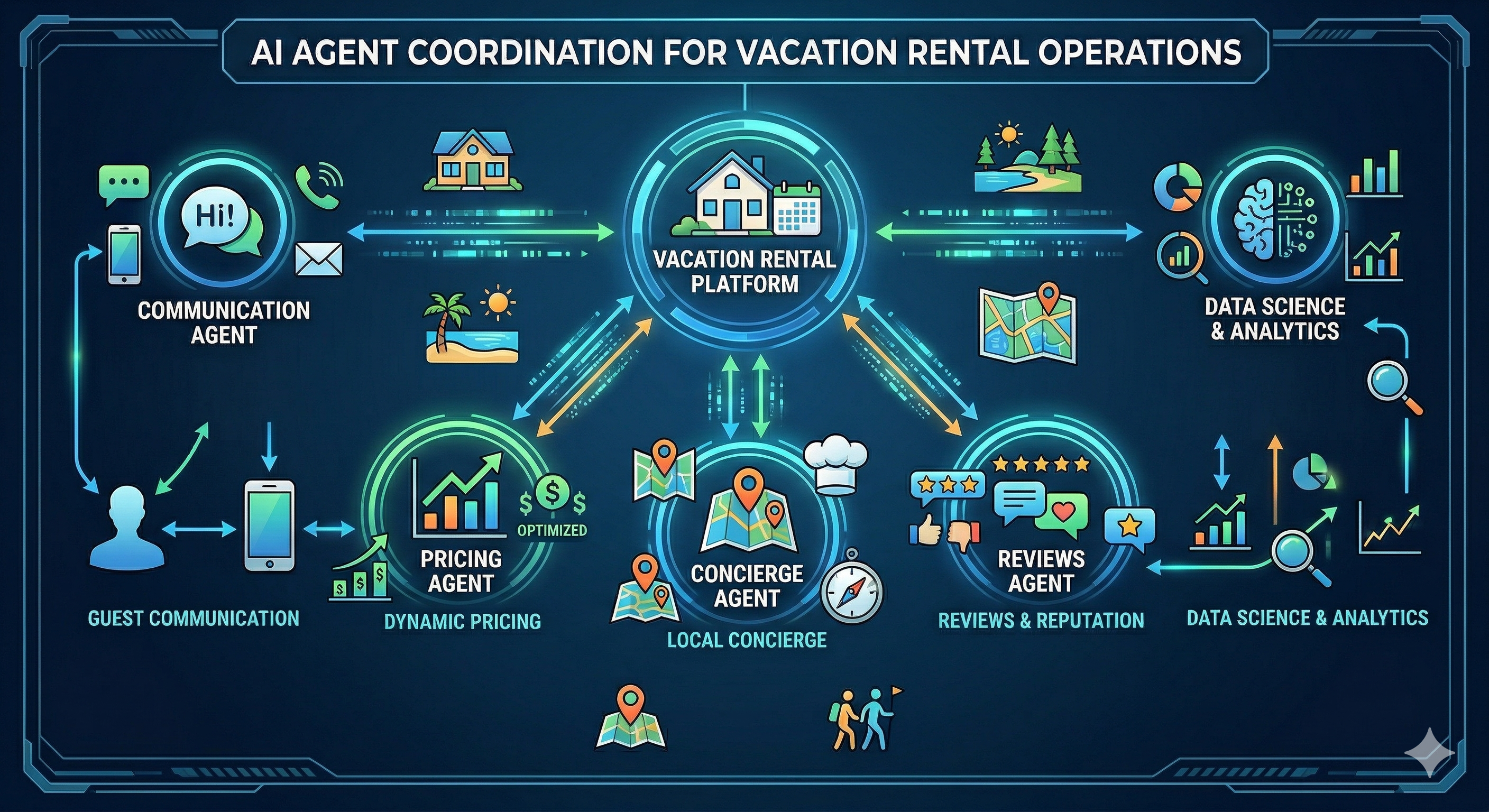
NIA's Data Scientist agent cross-referenced guest review sentiment with live meteorological data across thousands of active STR stays on jOS.
1. The Amenity Failure Trap
Guests book expecting outdoor amenities; bad weather reveals hidden fees or non-disclosed conditions.
NIA finding — Naples, February: A guest posted a 1-star review because cold weather made the pool unusable without a pool heater that required an unexpected additional fee. The fee existed in the fine print — but no one flagged it proactively when temperatures dropped.
2. The "Stuck Inside" Micro-Inspection Effect
Rain-trapped guests inspect every detail.
NIA finding — Miami, February–March: A sharp spike in reviews citing mold, stained tiles, and accumulated dust during extended rainstorm periods. Properties that passed summer inspections failed the "48-hour indoor stress test."
3. The Warmth Expectation Failure
Cold weather exposes HVAC and water heating issues.
NIA finding — Miami & Des Moines: Multiple guests flagged cold shower water or faulty heating as the 1-star tipping point. In warm-climate markets like Miami, HVAC systems are often underprepared for the rare cold snap — and guests don't forgive that.
A Practical Pre-Season Checklist for Weather-Proofing Your Reviews
- Audit all paid amenities and add clear, proactive disclosure language — especially for pool heating and weather-dependent features
- Add a "deep clean" checklist specifically for shoulder seasons, when occupancy dips but inspection risk rises
- Schedule preventive HVAC and water heater checks before cold-weather months — even in warm-climate markets
- Review previous low-season reviews for structural weaknesses that only surface when guests stay indoors
- Prepare rainy-day amenity alternatives: board games, streaming service login info, curated local indoor activity guides
- Set guest expectations proactively when bad weather is forecast — a simple message before a storm spike can defuse frustration before it becomes a review
How Jurny's NIA AI Catches This Before Your Guests Do
Most property managers find out about weather-triggered problems the hard way: in a 1-star review posted at 11pm on a Sunday.
NIA doesn't wait for that. Built into jOS, Jurny's operating system for short-term rentals, NIA continuously monitors:
- Maintenance signals — flagging recurring issues before they compound
- Guest sentiment in real time — detecting frustration patterns early in a stay
- Weather-triggered proactive messaging — automatically reaching out to guests when bad weather is forecast, with local indoor recommendations and a direct line to support
The goal isn't to manage reviews. It's to fix the problem before the review gets written.
Frequently Asked Questions
Can guests leave bad Airbnb reviews because of weather?
Yes — and platforms like Airbnb generally won't remove them unless they violate specific review policies. A guest who was disappointed due to weather-exposed amenity failures, comfort issues, or cleanliness problems has the right to share that experience. The key for hosts is to eliminate the property-side vulnerabilities that bad weather exposes, rather than trying to dispute the review after the fact.
How does bad weather affect my vacation rental's review score and algorithm ranking?
Bad weather increases the likelihood that guests will notice and report property weaknesses, which can lower your cleanliness and overall category scores. On major booking platforms, industry practitioners widely report that individual category scores — including cleanliness — carry additional weight in ranking algorithms, a pattern experienced STR managers have consistently observed across Airbnb and similar platforms. A cluster of low-season bad reviews can depress your listing's visibility for months.
What should I do before winter season to protect my vacation rental reviews?
Focus on three areas: amenity transparency (make sure all paid or conditional amenities are clearly disclosed in your listing), deep cleaning (add a protocol targeting areas stuck-inside guests scrutinize most — vents, grout, shower curtains), and preventive maintenance (test your HVAC and water heater before the cold arrives). Setting guest expectations proactively when bad weather is in the forecast also helps significantly.
Can AI tools help vacation rental managers prevent weather-related bad reviews?
Yes — and Jurny's NIA does exactly this at scale. NIA's AI review engine cross-references guest sentiment with live meteorological data to surface patterns across your portfolio before they compound into a trend. It also automates seasonal maintenance checklists and triggers proactive guest communication when adverse weather is forecast. For operators managing 20+ properties, this kind of automated oversight is the only scalable way to weather-proof ratings consistently.
What is NIA's AI review engine and how does it identify weather-related review patterns?
NIA (Network of Intelligent Agents) is Jurny's proprietary AI system built into jOS. Its Data Scientist agent continuously analyzes guest review sentiment across your portfolio, cross-referencing complaint patterns with external data — including live weather records from those exact stay dates. This is how Jurny identified the three patterns in this post: Amenity Failure, the Stuck-Inside Effect, and Warmth Expectation failures. It's proprietary intelligence that surfaces what would otherwise take months of manual review analysis to spot.
READY TO WEATHER-PROOF YOUR RATINGS?
See how Jurny's NIA AI review engine helps property managers eliminate the operational gaps that turn rainy days into 1-star reviews — and surfaces the patterns your manual review process would never catch.
→ Book a free demo at jurny.com/demo
Explore Jurny: