
Quick Answer: NIA is Jurny's AI engine that reads incoming guest messages, understands the intent, pulls the relevant property and booking context, generates a personalized response, and sends it — all within 60 seconds, across every communication channel, without any human initiation required.
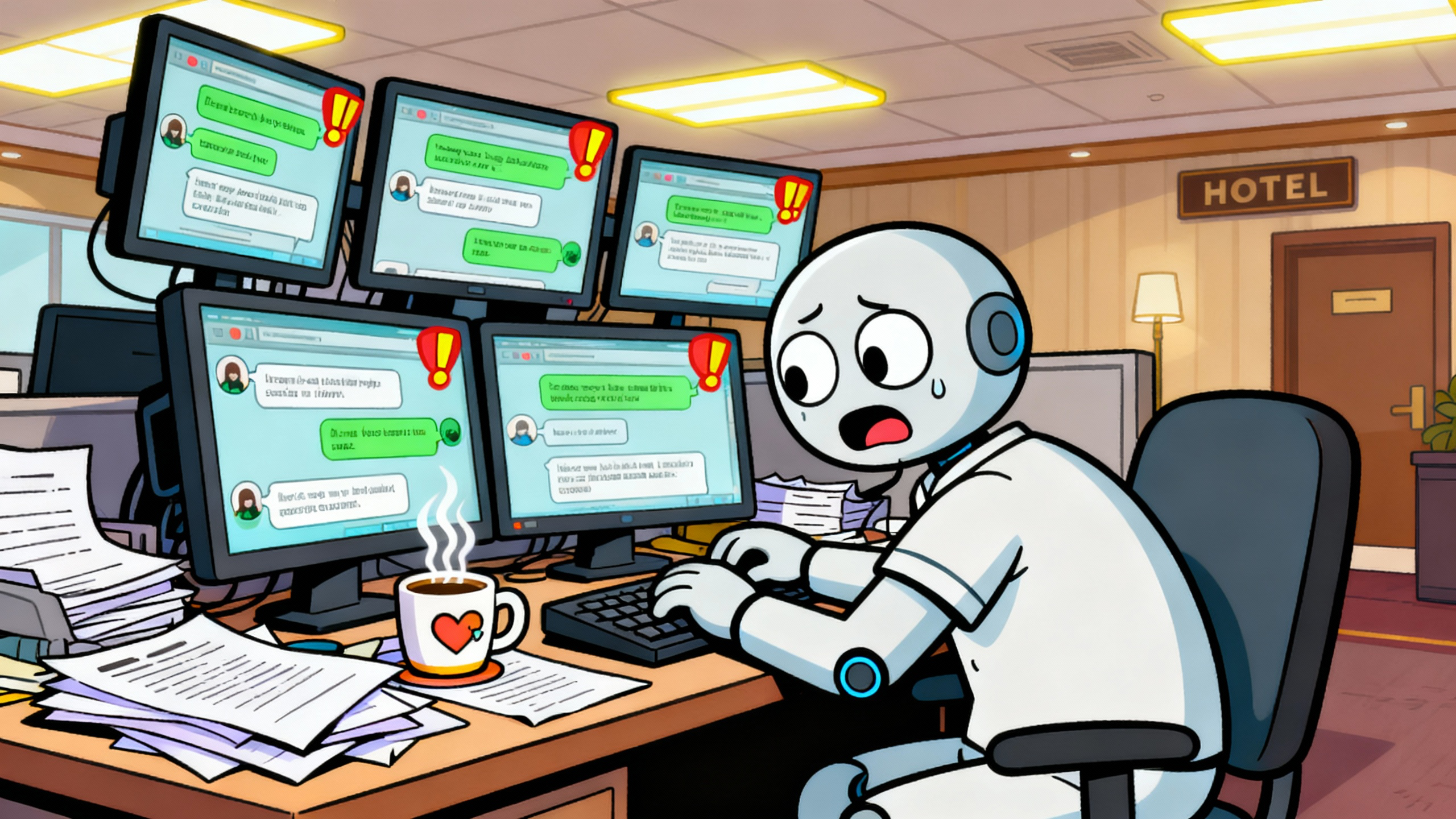
Guest communication is the single highest-volume task in short-term rental management. For a 30-property portfolio at 65% occupancy, that's hundreds of guest messages per month — check-in questions, WiFi credentials, maintenance reports, local recommendations, checkout confirmations, and everything in between.
The traditional options were to manage all of it personally, hire a VA to cover the volume, or use template-based auto-replies that answer the question 70% of the time and frustrate guests the other 30%.
NIA is a different category entirely. It doesn't use templates. It doesn't require you to review and approve responses. It reads the message, understands what the guest actually needs, and sends an accurate, personalized response in under 60 seconds — across Airbnb, Vrbo, Booking.com, SMS, and your direct booking channel simultaneously.
Here's exactly how it works.
Step 1: The Message Arrives
A guest sends a message — any message, on any platform. It could be a question about parking at 11pm. A request to check in an hour early. A report of a WiFi issue. A question about whether the property has a high chair. A multi-part message asking about checkout time, local grocery stores, and whether they can leave luggage after checkout.
NIA receives the message the moment it's sent. No polling delay, no batch processing window. The message arrives and NIA begins processing immediately.
Step 2: NIA Reads and Understands the Intent
NIA uses natural language understanding to parse what the guest is actually asking — not just keyword matching, but genuine comprehension of intent. This matters because guest messages are often ambiguous, imprecise, or multi-part.
A guest asking "we're getting in around 3, will that work?" isn't just asking a yes/no question. They want to know their check-in time, whether the property will be ready, and ideally, what to do if there's a gap. NIA understands the full intent behind the surface question and addresses all of it.
This is what separates NIA from template-based automation. Templates can only answer the questions they were written for. NIA understands questions it has never seen before.
Step 3: NIA Pulls the Relevant Context
For every message, NIA has access to:
- The guest's complete booking record — arrival date, departure date, number of guests, booking platform
- The property's full knowledge base — check-in instructions, WiFi credentials, house rules, parking details, access codes, local recommendations, amenities
- The property's current operational state — whether the previous guest has checked out, whether maintenance is scheduled, whether anything affects the upcoming stay
- The complete message history with that guest — so NIA never asks for information the guest has already provided, and never gives an answer that contradicts something said earlier in the conversation
This context layer is what makes NIA's responses accurate rather than generic. The WiFi password it provides is the actual current WiFi password for that specific property. The check-in instructions are the specific ones for that listing. The response feels like it came from someone who knows the property — because the AI has access to everything that someone who knows the property would know.
Step 4: NIA Generates a Personalized Response
With the intent understood and the context retrieved, NIA generates a response. Not from a template — from the actual information, structured in natural language that fits the tone and context of the conversation.
If the guest's message was casual and friendly, the response matches. If the message was formal, the response reflects that. If the guest has a complaint, NIA acknowledges it with empathy before providing the resolution. If the message is multi-part, every part gets addressed in the response.
The output reads like a message from an attentive, knowledgeable human — because NIA is generating it from the full context of the guest's stay, not filling in blanks in a pre-written form.
Step 5: NIA Decides Whether to Send or Escalate
For the majority of messages — the 70–90% that fall within standard guest inquiry categories — NIA sends the response autonomously. No human review required.
For the 10–30% that involve situations outside the standard range — serious complaints requiring empathy and managerial judgment, safety concerns, complex disputes, situations where the AI lacks necessary context to answer confidently — NIA escalates. The escalation is intelligent:
- The guest receives an immediate acknowledgment so they're not left waiting
- The message is flagged in your dashboard with a category (complaint, maintenance, urgent, policy question) and a summary of what the AI understood
- You receive a notification with the full context so you can respond without re-reading the thread
The escalation experience for the guest is seamless. The experience for you is efficient — you arrive at the message with everything you need to resolve it in one response.
Step 6: The Response Is Sent in Under 60 Seconds
From message receipt to response sent: under 60 seconds. At any hour of the day or night. On any channel. Across your entire portfolio simultaneously.
For a guest who sends a message at 2am with a question about the door code, they have an answer before they've put their phone down. For the property manager who used to answer that message at 2am, they're asleep.
What NIA Handles vs. What Gets Flagged for You
NIA handles autonomously:
- Check-in instructions and access code delivery
- WiFi credentials and troubleshooting
- Parking, luggage storage, and arrival logistics
- House rules questions
- Local recommendations (restaurants, activities, transportation)
- Early check-in and late checkout inquiries (with inventory check)
- Routine maintenance reports (logged and routed to your team)
- Checkout reminders and instructions
- Review request follow-ups
- General property questions
NIA escalates to you:
- Serious complaints or disputes requiring managerial judgment
- Safety concerns or emergency situations
- Requests requiring a policy exception beyond defined parameters
- Situations where the AI isn't confident in the available information
- Any message the guest explicitly asks to be escalated to a human
The Guest Experience of Talking to NIA
Most guests don't know they're talking to an AI. They know they got a fast, accurate, helpful response. That's what they care about — and it's what shows up in reviews.
The response speed alone — under 60 seconds at 2am — is something no manual operation can consistently match. Combined with the accuracy of property-specific information and the natural tone of the responses, the guest experience is typically described as attentive and responsive. Exactly the language that produces 5-star reviews.
Frequently Asked Questions
Does NIA support multiple languages?
Yes. NIA generates responses in the language the guest uses, without any manual configuration required. For operators with international guests, this eliminates the language barrier that manual communication often creates.
Can NIA handle multi-property portfolios where each property has different rules?
Yes. Each property has its own knowledge base within Jurny's system — different check-in instructions, different house rules, different WiFi credentials, different local recommendations. NIA pulls the correct property context for each conversation, ensuring accurate responses regardless of which property the guest is staying in.
What happens if NIA gives incorrect information?
NIA generates responses from the information in your property knowledge base. If that information is current and accurate, NIA's responses will be. The escalation system also catches situations where NIA isn't confident in its answer — flagging the message for human review rather than sending a potentially incorrect response.
How does NIA know when to offer an early check-in vs. when the property isn't available?
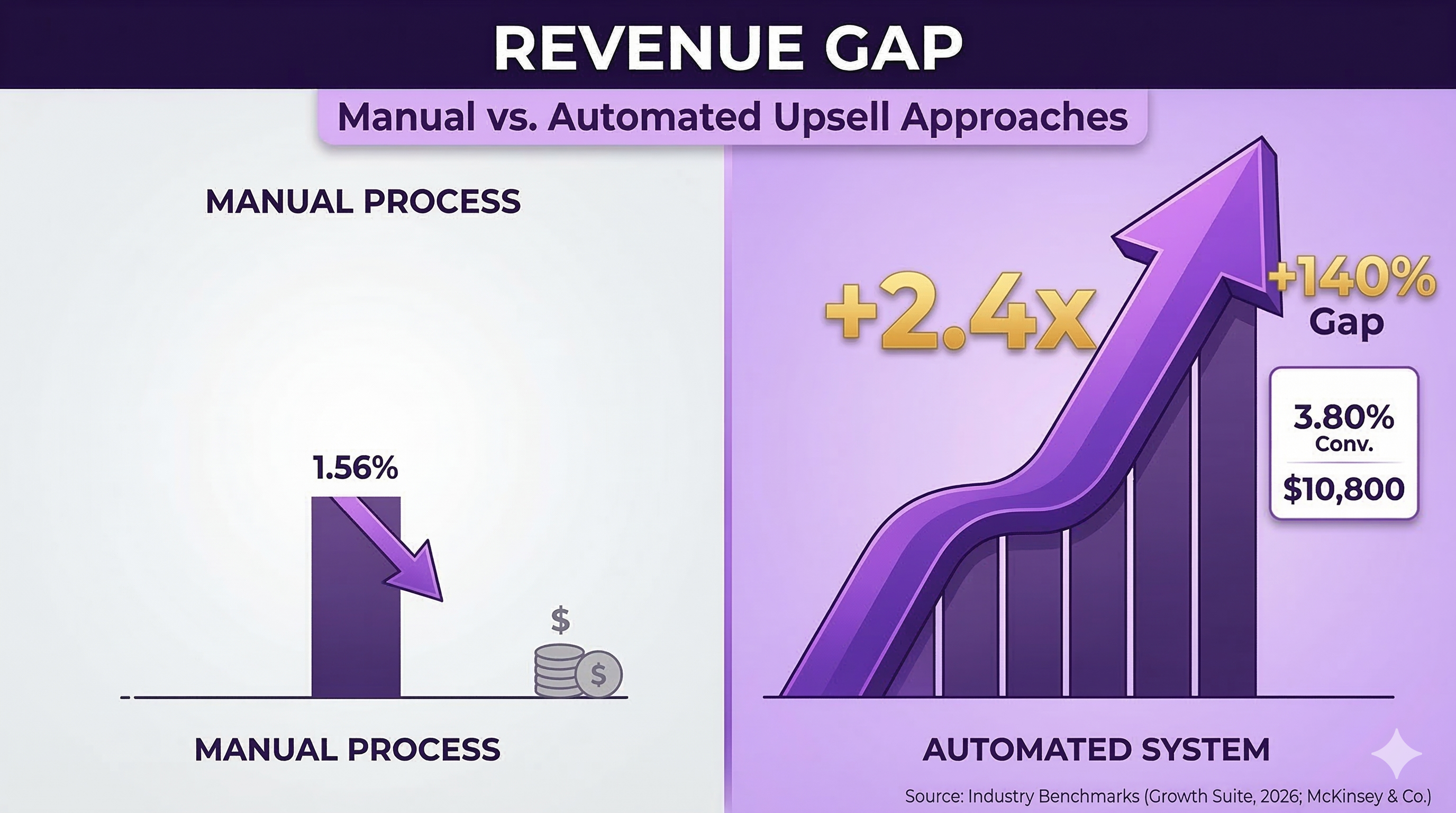
NIA has access to real-time booking and operational data, including whether the property has availability in the window before a guest's arrival. If the property is available and early check-in is an option, NIA can offer it (with or without the upsell fee, depending on your configuration). If the property isn't available, NIA declines appropriately and explains why.
Can I set specific parameters for what NIA can and can't agree to?
Yes. NIA operates within configurable policy parameters. You define what NIA can approve autonomously — early check-in if the property is available, late checkout up to a defined time, pet requests if your policy allows — and NIA follows those rules precisely. Anything outside your defined parameters gets escalated.
See NIA Handle Your Hardest Guest Scenarios
The best way to understand what NIA can do for your operation is to see it in action. Book a demo and bring your most challenging guest messages.
→ Book a free demo and see how Jurny automates your operations.
Explore Jurny: