
Financial operations in vacation rental management are significantly more complex than they appear from the outside. A single booking involves multiple revenue streams (base rate, cleaning fee, pet fee, upsells), payment processing through OTA platforms with varying payout schedules, potential owner splits if the property is under a management contract, and tax obligations that vary by jurisdiction. Multiply that complexity across a portfolio of 15 or 20 properties and dozens of bookings per month, and the financial operations layer becomes a serious management challenge.
The operators who handle this well are the ones who build systematic financial infrastructure rather than managing it transaction by transaction in spreadsheets.
The Three Financial Operations Challenges at Scale
1. Revenue Reconciliation Across Channels
A property listed on multiple OTAs generates payouts from multiple platforms on different schedules, with different fee structures, and in some cases different currencies. Reconciling actual revenue received against expected revenue for every booking, across every channel, every month, is a significant accounting task that is prone to errors when done manually.
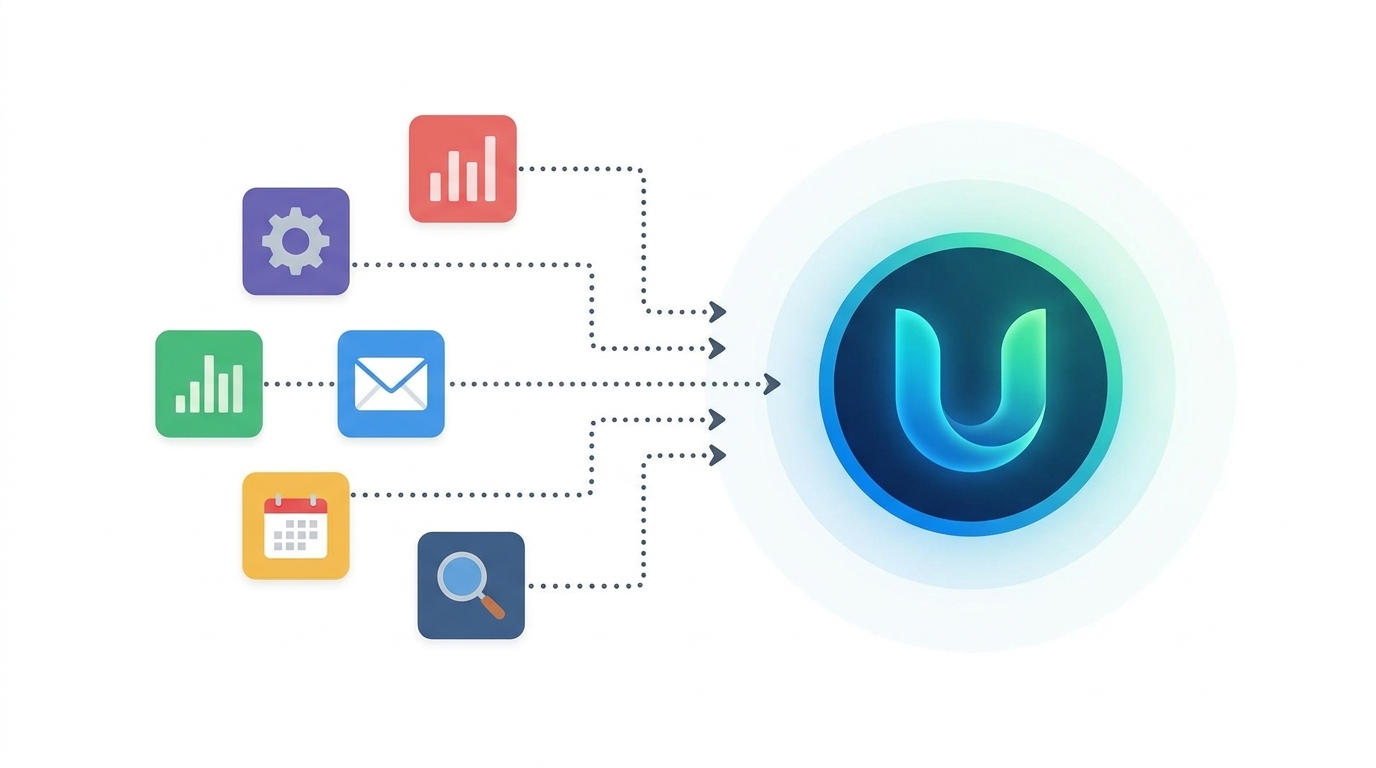
Jurny's owner accounting and reporting centralizes financial data across all channels, providing a consolidated view of revenue, fees, and net payout per property without requiring manual reconciliation. The channel manager ensures booking data flows automatically from every OTA into the central system, eliminating the manual data entry that creates reconciliation errors.
2. Owner Payouts and Reporting
Operators managing properties on behalf of owners have an additional layer of financial complexity: calculating management fees, deducting expenses, and generating accurate owner statements that build trust and satisfy the reporting expectations of sophisticated property owners.
The owner accounting dashboard in Jurny gives every owner real-time visibility into their property's financial performance — revenue, occupancy, expenses, and net payout — without requiring the operator to generate manual reports for each owner each month. This both reduces administrative overhead and delivers a more professional experience than most operators can produce manually. NIA's Data Scientist agent can answer owner performance questions instantly, further reducing the time operators spend responding to owner inquiries about their statements.
3. Tax Compliance
Short-term rental tax obligations vary significantly by jurisdiction — occupancy tax, sales tax, local tourism levies — and the regulatory environment continues to evolve. Some OTAs collect and remit certain taxes automatically in specific markets, but the rules are not uniform, and operators in multiple markets may have obligations that are not fully covered by OTA remittance.
Building a clear understanding of the tax obligations in each market you operate in, and maintaining the financial records necessary to substantiate compliance, is essential infrastructure that becomes more important as portfolio size and revenue grow. Centralized financial reporting that clearly categorizes revenue by property and jurisdiction makes this substantially easier to manage.
The AI-Powered Upsell Revenue Layer
Beyond base booking revenue, AI-powered upsells generate incremental revenue from every stay — late checkouts, early check-ins, experience add-ons, premium amenity packages — without requiring any manual configuration per reservation. This incremental revenue flows through the same accounting system as booking revenue, providing a complete picture of per-property financial performance that includes all revenue streams.
The Financial Reporting Stack
Professional operators build a financial reporting stack that gives them visibility at three levels: per-property performance (revenue, occupancy, RevPAR, expenses, net profit), portfolio-level performance (total revenue, total payouts, portfolio-wide trends), and owner-level reporting (individual statements per managed property). Each level serves a different audience and decision-making need.
Jurny's reporting and analytics infrastructure supports all three levels from the same data source, ensuring consistency across every report and eliminating the reconciliation work that results from maintaining separate systems for different reporting needs.
If you want to see how Jurny handles the financial operations layer for professional vacation rental portfolios, book a demo to see the accounting and reporting features in action.
Explore Jurny: